
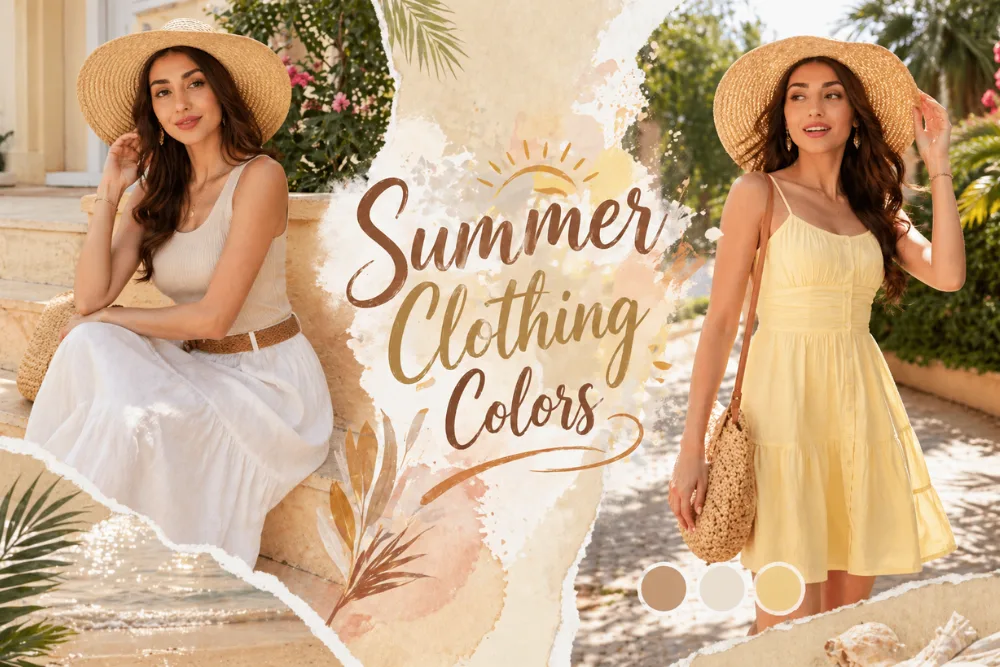
When temperatures rise, the best way to stay cool is to wear light colored clothing like white, light blue, gray, beige, and soft pastels, as these shades reflect sunlight instead of absorbing heat, helping your body stay comfortable even in intense summer conditions. Choosing the right colors can significantly improve how you feel throughout the day.
Why Summer Clothing Colors Matter More Than You Think
Summer heat is not just about temperature, it is also about how your body interacts with the environment. One of the most overlooked factors in staying comfortable during hot weather is the color of the clothes you wear. Colors play a direct role in how much heat your body absorbs or reflects, which in turn affects your overall comfort level.
Light colors reflect a higher percentage of sunlight, while dark colors absorb more heat. This basic scientific principle explains why wearing black or deep shades on a sunny day often feels unbearable. On the other hand, lighter shades bounce sunlight away from your body, reducing heat absorption and keeping you cooler for longer periods.
In addition to temperature control, clothing colors also influence how fresh and breathable your outfit feels. Summer fashion is not only about looking good, it is about creating a balance between comfort, functionality, and style. By choosing the right colors, you can reduce sweating, improve airflow perception, and maintain a polished appearance even in extreme heat.
Understanding the importance of summer clothing colors allows you to make smarter wardrobe decisions, ensuring that your outfits work with the weather rather than against it.
The Science Behind Light and Dark Colors in Summer
The reason certain colors feel cooler than others lies in how they interact with light and heat. When sunlight hits your clothing, it carries energy in the form of heat.
Dark colors, such as black, charcoal, and deep navy, absorb most of this energy, converting it into heat that gets trapped close to your body.
In contrast, light colors reflect a significant portion of sunlight. This reflection prevents heat from building up, allowing your body to remain cooler. This is why wearing white or pastel shades can make a noticeable difference during a hot day.
Another factor to consider is heat radiation. While dark colors may absorb heat faster, they can also radiate it away more efficiently in certain conditions. However, in direct sunlight, the absorption effect dominates, making dark clothing feel much warmer overall.
Humidity also plays a role in how colors affect comfort
In humid environments, where sweat evaporation is slower, wearing light colored clothing becomes even more important. These colors not only reflect heat but also create a visual sense of freshness, which can psychologically enhance comfort.
By understanding the science behind clothing colors, you can make informed choices that improve both your physical comfort and your overall summer experience.
White: The Ultimate Summer Essential
White is widely regarded as the best color to wear during summer, and for good reason. It reflects almost all wavelengths of visible light, which means it absorbs very little heat. This makes white clothing significantly cooler compared to darker shades.
In addition to its cooling properties, white is incredibly versatile. It pairs effortlessly with almost any other color, allowing you to create a variety of stylish combinations without compromising comfort. Whether you are dressing for a casual outing or a semi formal event, white serves as a reliable foundation for summer outfits.
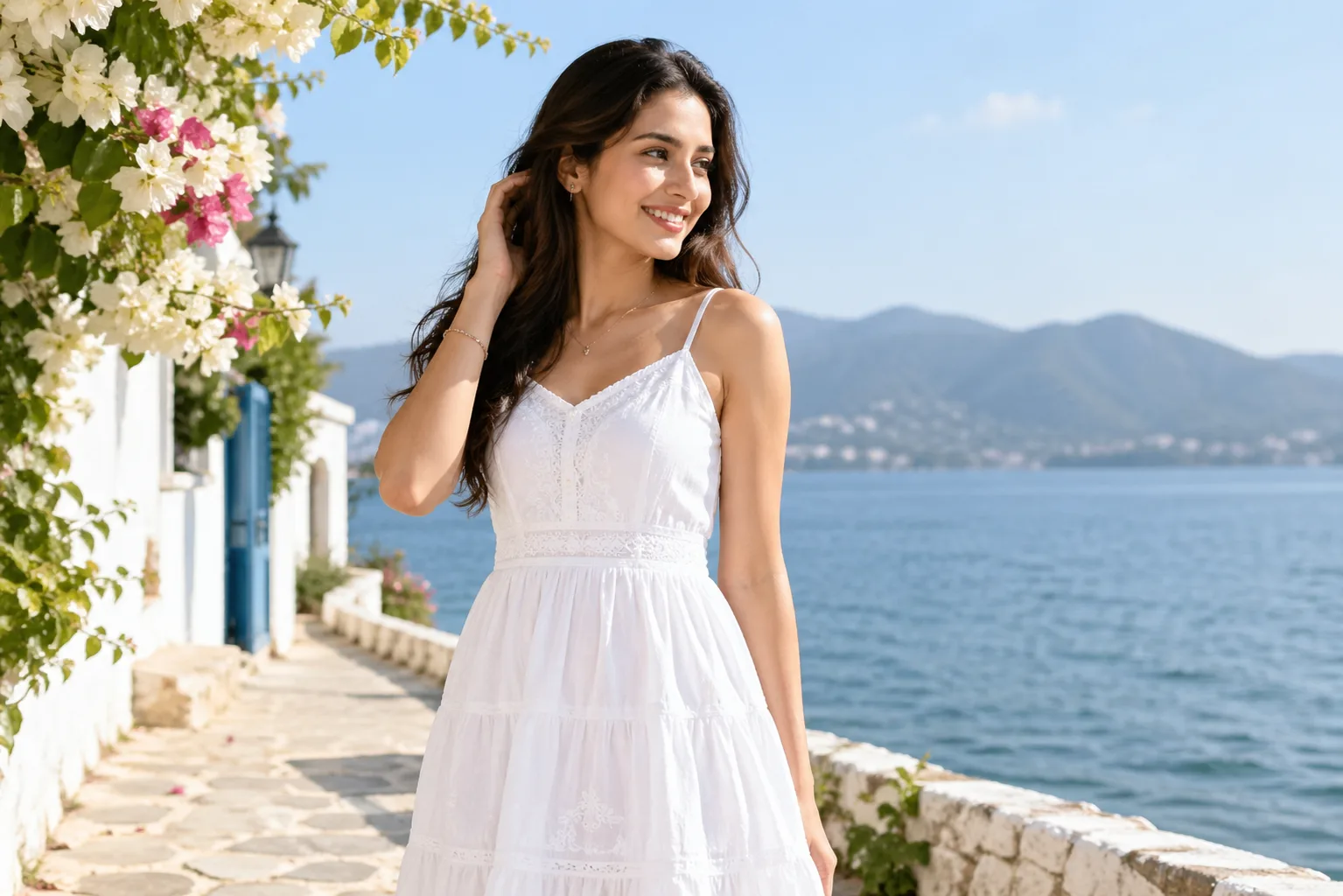
White clothing also gives a clean, fresh appearance that aligns perfectly with the relaxed vibe of summer. It enhances the perception of lightness and simplicity, making it a popular choice for both everyday wear and special occasions.
Another advantage of white is its ability to highlight other elements of your outfit, such as accessories or textures. This makes it easier to experiment with different styles while maintaining a cool and comfortable look.
Light Blue: A Refreshing and Cooling Choice
Light blue shades, including sky blue and aqua, are excellent options for summer clothing. These colors reflect sunlight effectively, helping to maintain a lower body temperature even during peak heat hours.
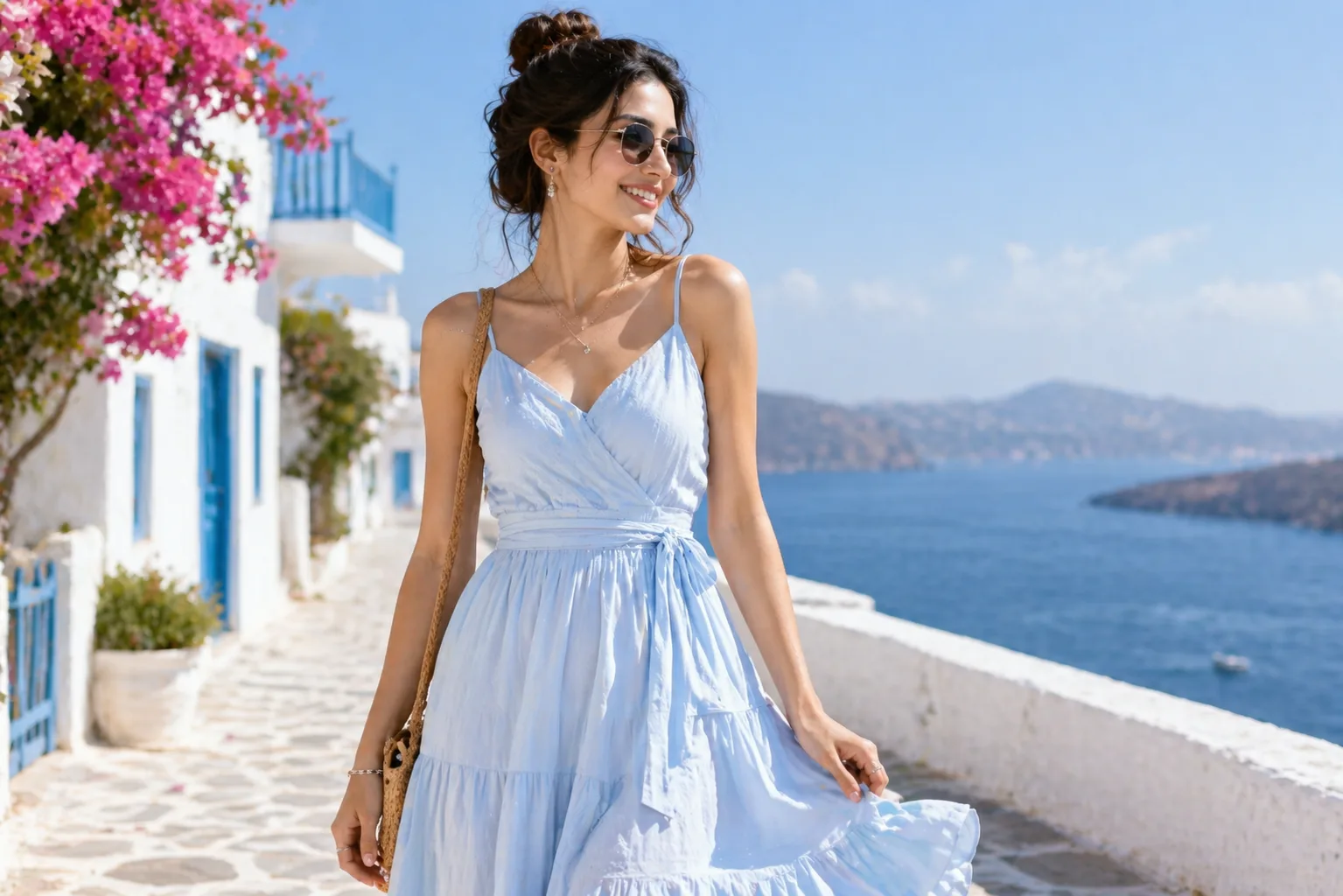
Beyond their functional benefits, light blue tones offer a calming and refreshing aesthetic. They are often associated with water and open skies, which creates a psychological cooling effect. This makes them particularly appealing during hot weather when visual comfort is just as important as physical comfort.
Light blue clothing works well in both casual and professional settings. It adds a touch of elegance without feeling heavy or overwhelming. Whether it is a shirt, dress, or casual wear, incorporating light blue into your wardrobe can elevate your summer style while keeping you cool.
Light Gray: A Smart and Sophisticated Neutral
Light gray is an underrated yet highly effective summer color. It reflects a good amount of sunlight while maintaining a more refined and understated appearance compared to white.

One of the key advantages of light gray is its practicality. It tends to show less visible sweat compared to some lighter colors, making it a reliable choice for long days in the heat. This makes it particularly useful for work environments or situations where maintaining a neat appearance is important.
Light gray also pairs well with a wide range of colors, allowing you to create versatile outfits without much effort. Its neutral tone provides a balanced look that is both modern and timeless.
By incorporating light gray into your summer wardrobe, you can achieve a combination of comfort, style, and functionality.
Beige and Tan: Subtle Warm Neutrals for Summer
Beige and tan shades offer a perfect middle ground between brightness and depth. These colors are light enough to reflect sunlight while still providing a richer tone compared to white or gray.
These shades are especially popular in casual and business casual settings, where a more polished appearance is desired. Beige and tan clothing create a warm and natural look that complements the overall summer aesthetic.
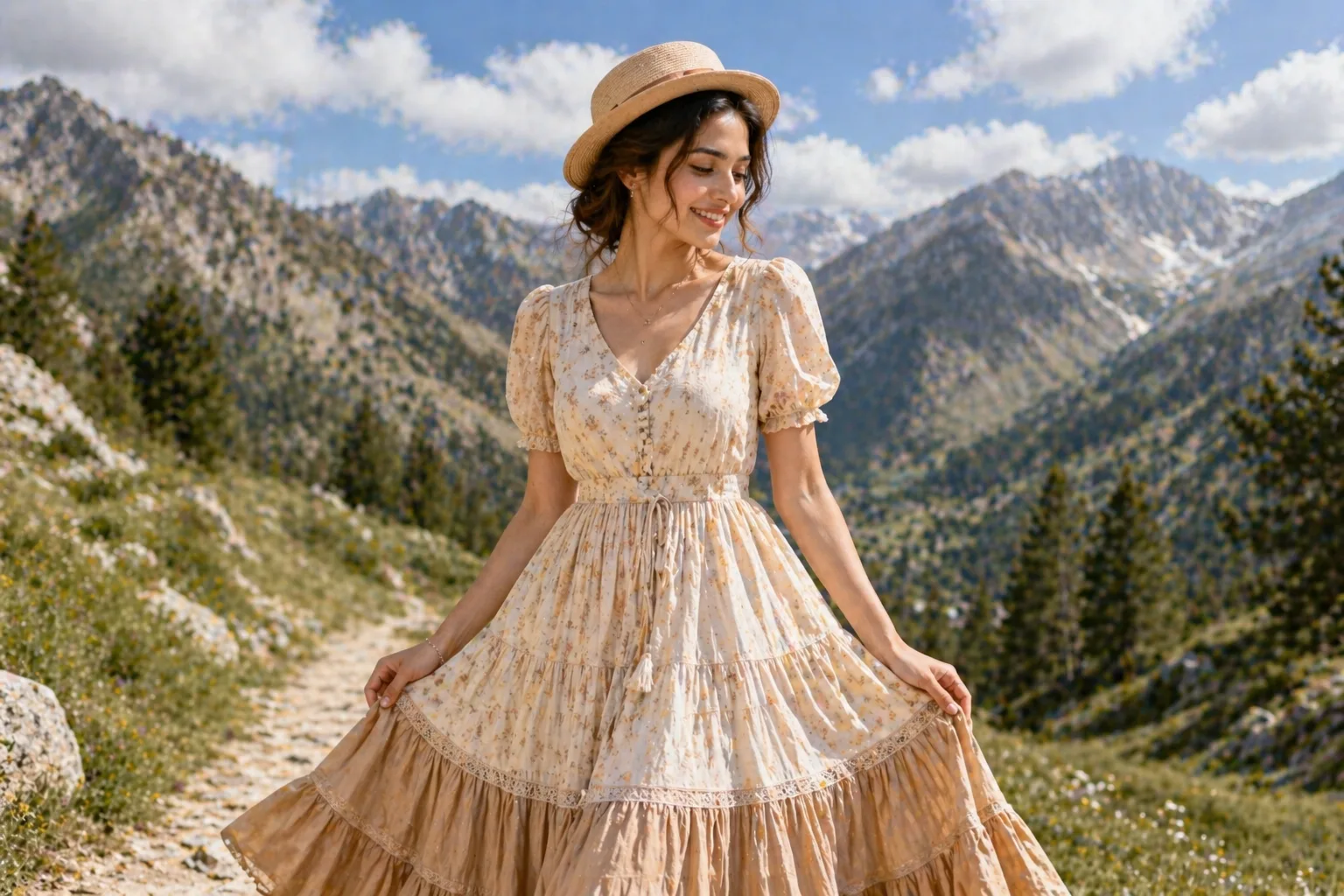
Another advantage of these colors is their ability to blend seamlessly with other shades. They work well with both light and dark accents, making them highly versatile for different outfit combinations.
Beige and tan also evoke a sense of calm and simplicity, which aligns well with the relaxed atmosphere of summer. Choosing these colors allows you to stay cool without sacrificing style.
Pastel Colors: Light, Airy, and Stylish
Pastel colors are a perfect choice for summer, offering both aesthetic appeal and practical benefits. Shades like mint green, lavender, and pale yellow reflect light effectively, helping to keep your body temperature down.
These colors create a soft and airy look that feels light and breathable. They are ideal for casual outings, vacations, and daytime events where comfort and style are equally important.
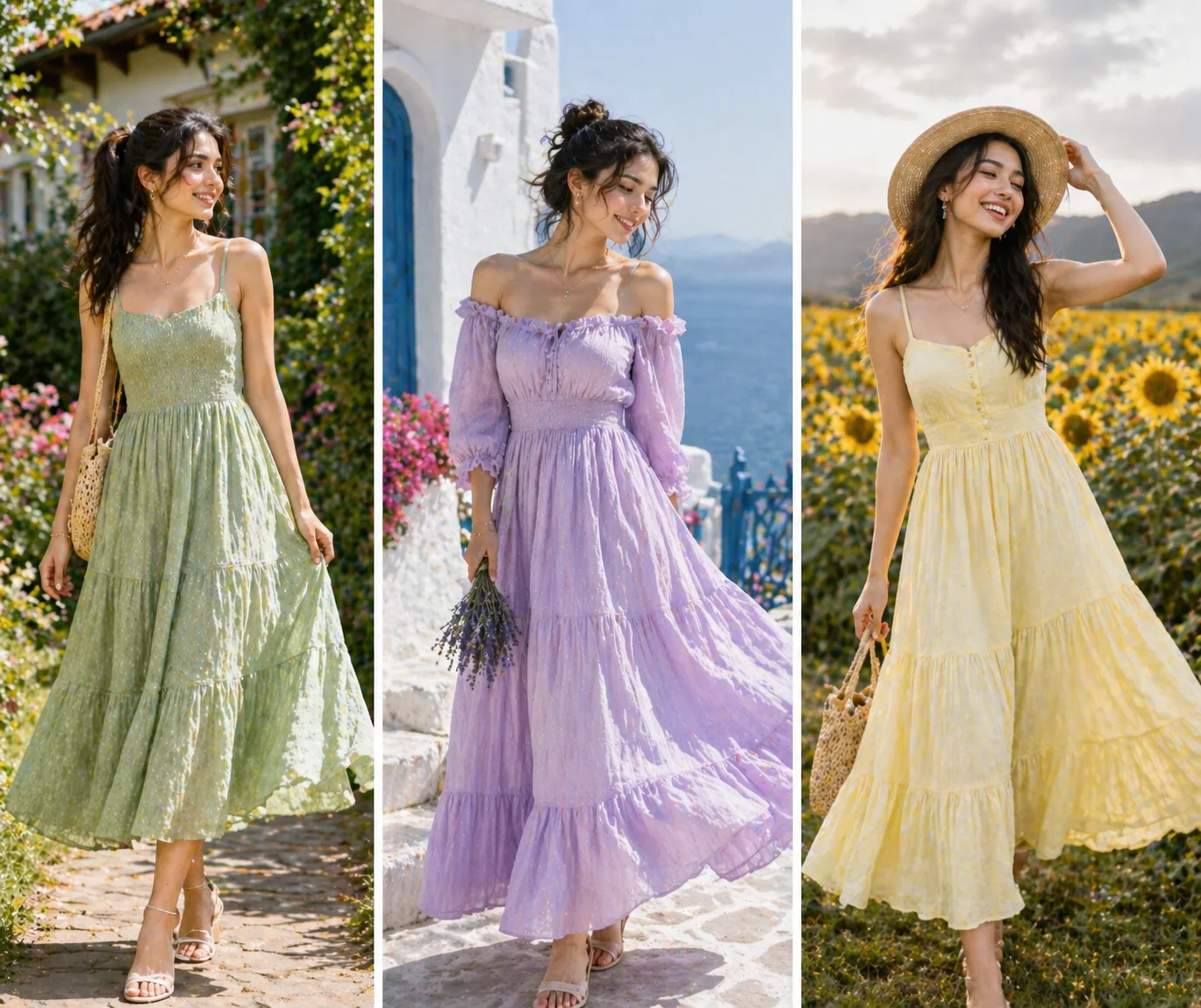
Mint green and sage green, in particular, have gained popularity for their refreshing appearance and cooling effect. These shades bring a sense of nature and tranquility to your outfit, enhancing the overall summer experience.
Pastel colors also allow for creative styling. They can be mixed and matched to create visually appealing combinations without overwhelming the senses. This makes them a versatile addition to any summer wardrobe.
Colors to Avoid During Hot Weather
While some colors help you stay cool, others can make the heat feel even more intense. Dark colors, such as black, charcoal, and deep navy, tend to absorb a significant amount of sunlight. This leads to increased heat retention, making you feel warmer and less comfortable.
Wearing dark colors during peak summer hours can also contribute to excessive sweating, which may affect both comfort and confidence. In humid conditions, this effect becomes even more pronounced, as sweat evaporation is already limited.
Although dark colors can be stylish, they are better suited for cooler evenings or air conditioned environments. During the day, it is advisable to prioritize lighter shades that enhance comfort and reduce heat absorption.
Being mindful of the colors you avoid is just as important as choosing the right ones. This awareness helps you create a wardrobe that supports your comfort throughout the summer season.
The Role of Fabric and Fit in Staying Cool
While color plays a crucial role in staying cool, it is not the only factor to consider. The fabric and fit of your clothing are equally important in determining overall comfort.
Loose fitting clothes allow air to circulate freely around your body. This airflow helps sweat evaporate more efficiently, which naturally cools your skin. Tight clothing, on the other hand, restricts airflow and can trap heat, making you feel warmer.
Breathable fabrics such as cotton and linen are ideal for summer. These materials allow air to pass through easily, reducing heat buildup and enhancing comfort. Moisture wicking fabrics are also beneficial, as they draw sweat away from the skin, keeping you dry and cool.
Combining the right colors with suitable fabrics and fits creates a complete approach to summer dressing. This ensures that your clothing works effectively in managing heat and maintaining comfort.
Summer Clothing Colors for Darker Skin Tones
Choosing the right summer clothing colors for darker skin tones involves focusing on contrast, vibrancy, and richness. Colors that have strong pigmentation tend to stand out beautifully against deeper complexions, creating a striking and radiant look.
Vivid tropical colors, such as turquoise, cobalt blue, coral, and magenta, are excellent choices. These shades provide a bold contrast that enhances the natural richness of darker skin, especially under bright sunlight.
Rich yellows and oranges, including mango, saffron, and tangerine, complement warm undertones commonly found in darker skin. These colors create a glowing effect that feels both vibrant and harmonious.
Bright whites and creams also work exceptionally well. They offer maximum contrast, making the overall look fresh and visually appealing. These shades highlight the skin tone while maintaining a clean and elegant appearance.
Jewel tones, such as emerald green, sapphire blue, deep plum, and ruby red, add depth and sophistication. These colors are universally flattering and bring a sense of richness to summer outfits.
Earthy tones, including terracotta, burnt orange, and camel, provide warmth and balance. They blend naturally with darker complexions, creating a cohesive and stylish look.
It is generally advisable to avoid pale or washed out colors, as they may appear flat against darker skin in bright light. Instead, choosing bold and saturated shades ensures that your outfit remains vibrant and impactful.
Understanding Undertones for Better Color Choices
While general color guidelines are helpful, understanding your skin undertone can further refine your choices. Undertones can be warm, cool, or neutral, and they influence how different colors appear on your skin.
Warm undertones are complemented by earthy shades, rich yellows, and warm reds. Cool undertones pair well with blues, purples, and crisp whites. Neutral undertones have the flexibility to wear a wide range of colors effectively.
By identifying your undertone, you can select colors that enhance your natural features while maintaining comfort in hot weather. This personalized approach ensures that your summer wardrobe is both functional and flattering.
Building a Smart Summer Wardrobe
Creating a summer wardrobe that balances comfort and style requires thoughtful selection of colors, fabrics, and fits. Start by incorporating essential light colors, such as white, light blue, and beige, as the foundation of your outfits.
Add variety with pastel shades and subtle neutrals to create depth and interest. For those with darker skin tones, include vibrant and jewel toned pieces that enhance contrast and visual appeal.
Focus on breathable fabrics and relaxed fits to maximize comfort. This combination ensures that your clothing not only looks good but also performs well in hot conditions.
A well planned wardrobe allows you to adapt to different occasions without compromising on comfort. Whether you are dressing for work, casual outings, or special events, the right choices make a noticeable difference.
Conclusion
Staying cool during summer is not just about avoiding the sun, it is about making smarter clothing choices. The colors you wear have a direct impact on how your body responds to heat. Light shades, such as white, light blue, gray, beige, and pastels, help reflect sunlight and maintain a comfortable body temperature.
At the same time, understanding how different colors interact with your skin tone allows you to create outfits that are both flattering and functional. By combining the right colors with breathable fabrics and relaxed fits, you can build a summer wardrobe that keeps you cool, confident, and stylish throughout the season.
Frequently Asked Questions
What are the best summer clothing colors to stay cool
Light colors like white, light blue, beige, gray, and pastel shades are the best choices because they reflect sunlight and reduce heat absorption.
Why should I avoid dark colors in summer
Dark colors absorb more heat, which can increase body temperature and make you feel hotter, especially in direct sunlight.
Are pastel colors good for hot weather
Yes, pastel colors reflect light effectively and create a light, airy feel that is ideal for summer.
Which colors suit darker skin tones in summer
Vivid, saturated colors like turquoise, coral, magenta, jewel tones, and bright whites work best as they create contrast and enhance the skin tone.
Does fabric matter along with color
Yes, breathable fabrics like cotton and linen, combined with light colors, provide the best comfort in hot weather.
Can I wear black in summer at all
Black can be worn during cooler evenings or indoors, but it is not ideal for daytime heat as it absorbs more sunlight.