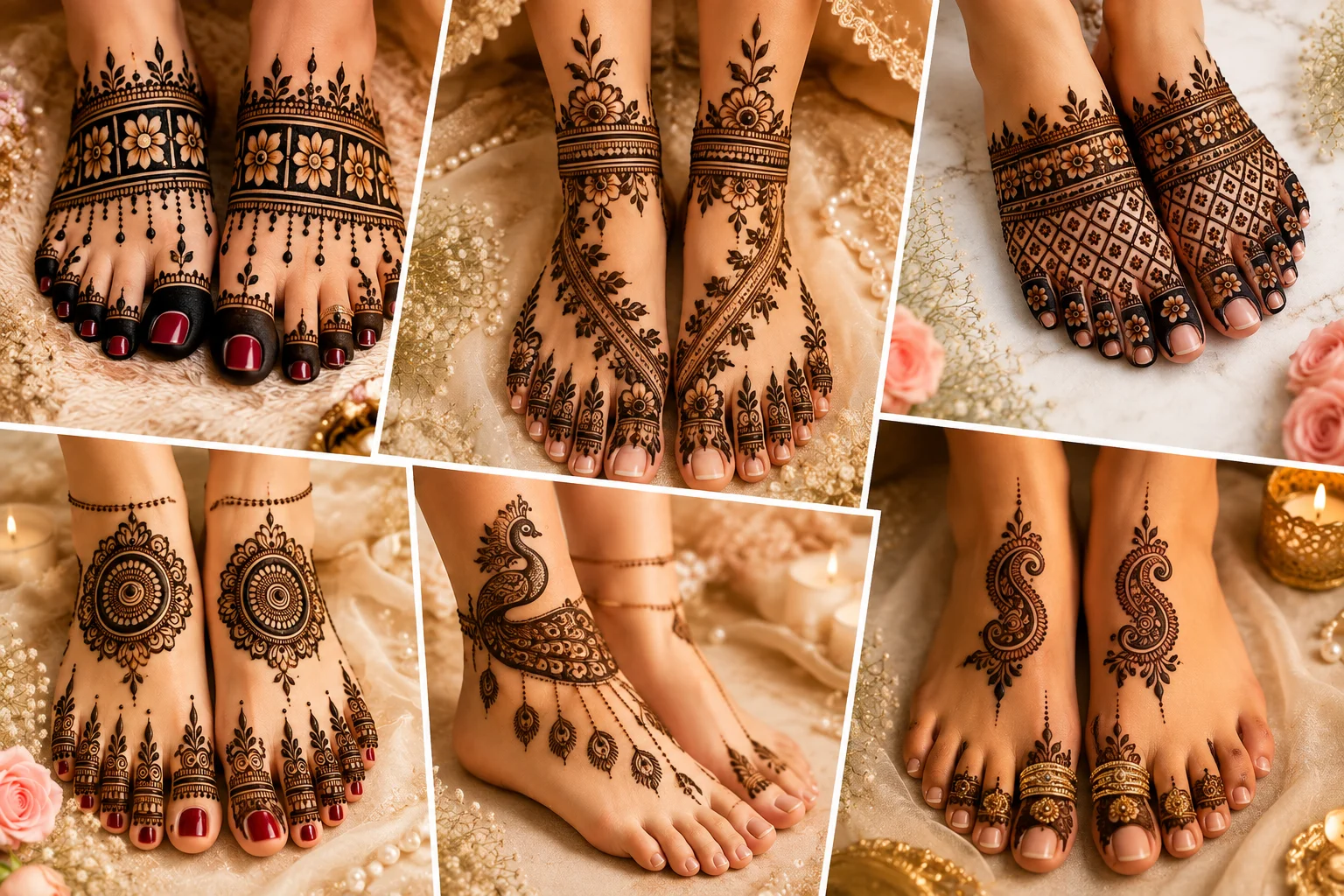
Navratri is one of the most vibrant festivals celebrated across India, bringing together colourful outfits, traditional jewellery, music, dance, and festive gatherings. From elegant sarees and lehengas to modern fusion outfits, every part of the Navratri look offers an opportunity to express personal style. Among these details, mehndi holds a special place.
A beautiful mehndi design for Navratri can instantly enhance a festive outfit without making the overall look feel too heavy. Whether you are attending Garba nights, Dandiya events, family celebrations, or a traditional Navratri puja, the right mehndi pattern can complement your outfit and jewellery beautifully.
Navratri mehndi does not have to be extremely complicated. Simple floral patterns, traditional Indian motifs, mandala designs, Garba-inspired artwork, paisley details, and contemporary Arabic patterns can all create an attractive festive look. The key is choosing a design that matches your outfit, occasion, and personal style.
Why Mehndi Is Perfect for Navratri
Mehndi naturally fits into the festive atmosphere of Navratri. The intricate patterns add detail to your hands while creating a traditional appearance that works especially well with colourful Indian clothing.
Navratri outfits often feature mirror work, embroidery, colourful threads, sequins, and traditional prints. A well-planned mehndi design can complement these details rather than competing with them.
Another advantage is versatility. You can choose a minimal design if you prefer a modern appearance or go for a detailed full-hand pattern when attending a major celebration.
Your mehndi can also be coordinated with your Navratri outfit. For example, a floral mehndi pattern can pair beautifully with a floral lehenga, while geometric and symmetrical patterns can work well with a heavily embroidered outfit.
Best Mehndi Design Ideas for Navratri
There are plenty of creative options when looking for the perfect mehndi design for Navratri. Your choice can depend on how much coverage you want and how traditional or contemporary you want your look to be.
Mandala mehndi is one of the easiest choices for a festive occasion. A large circular mandala placed in the centre of the palm creates a balanced and elegant appearance. You can surround it with small petals, dots, leaves, and curved lines. The design can remain relatively open, making it suitable for someone who likes a clean look.
Floral mehndi designs are another excellent choice. Flowers can be arranged across the palm, fingers, and back of the hand in different sizes. Small flowers combined with leafy vines create a delicate appearance, while larger floral motifs give the design a more traditional character.
For those who prefer something more traditional, paisley mehndi designs can be a great option. Paisley motifs can be combined with flowers, leaves, fine lines, and traditional Indian patterns. They can also be used to create beautiful full-hand designs without making every part of the hand look crowded.
Arabic mehndi designs are ideal for anyone looking for a stylish and slightly modern Navratri look. Arabic patterns generally use flowing floral vines, leaves, and larger motifs with plenty of negative space. This makes them visually striking while still being relatively quick to apply.
Minimal mehndi designs work particularly well for smaller Navratri gatherings or people who prefer understated accessories. A simple central motif with decorated fingertips can look elegant with a colourful lehenga or saree.
For a more distinctive festive appearance, consider incorporating Garba-inspired elements. Small depictions of dandiya sticks, traditional patterns, circular dance formations, lamps, or decorative motifs can be incorporated subtly into the design. Instead of covering the entire hand with these elements, using one or two as focal points can make the mehndi feel more personal.
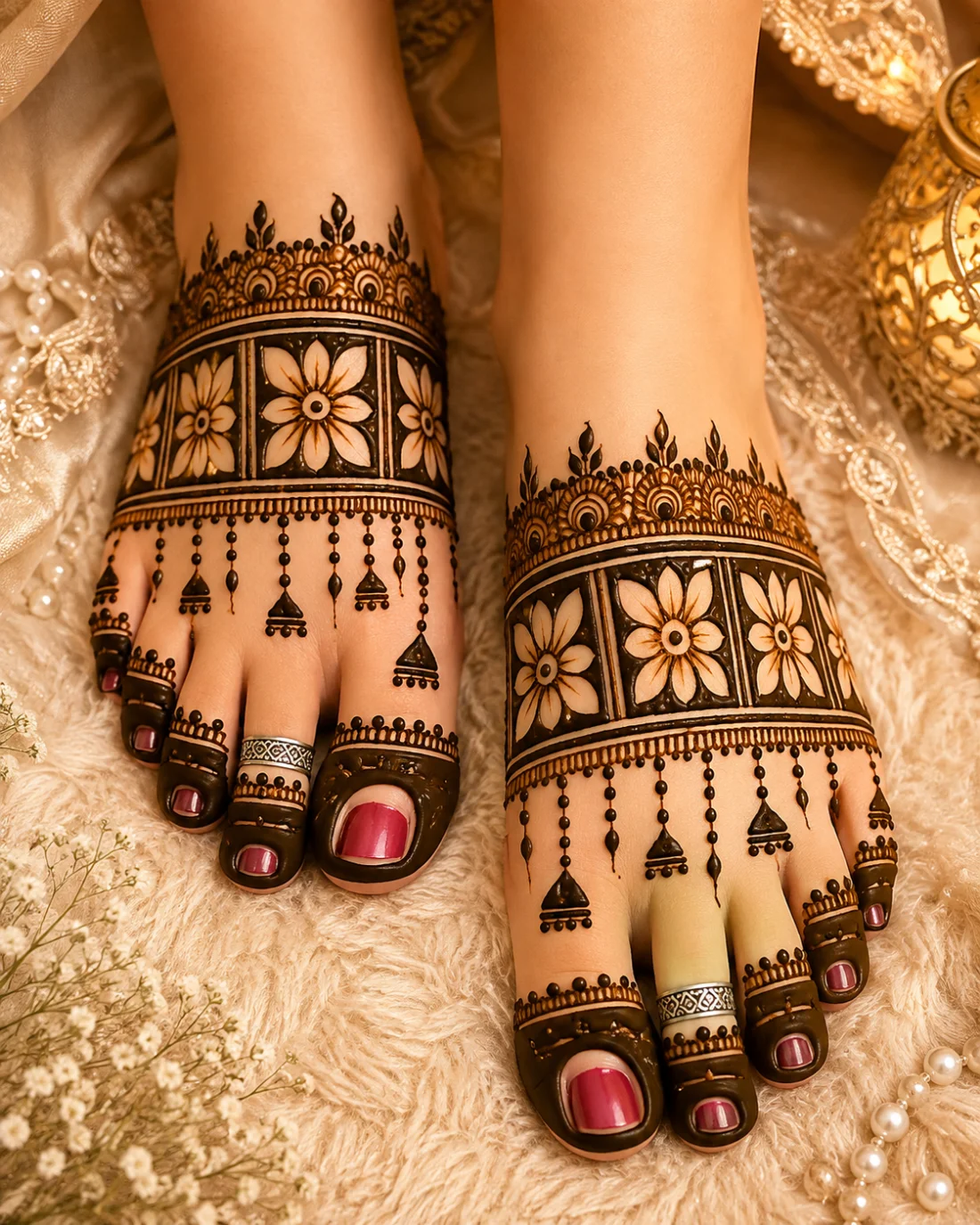
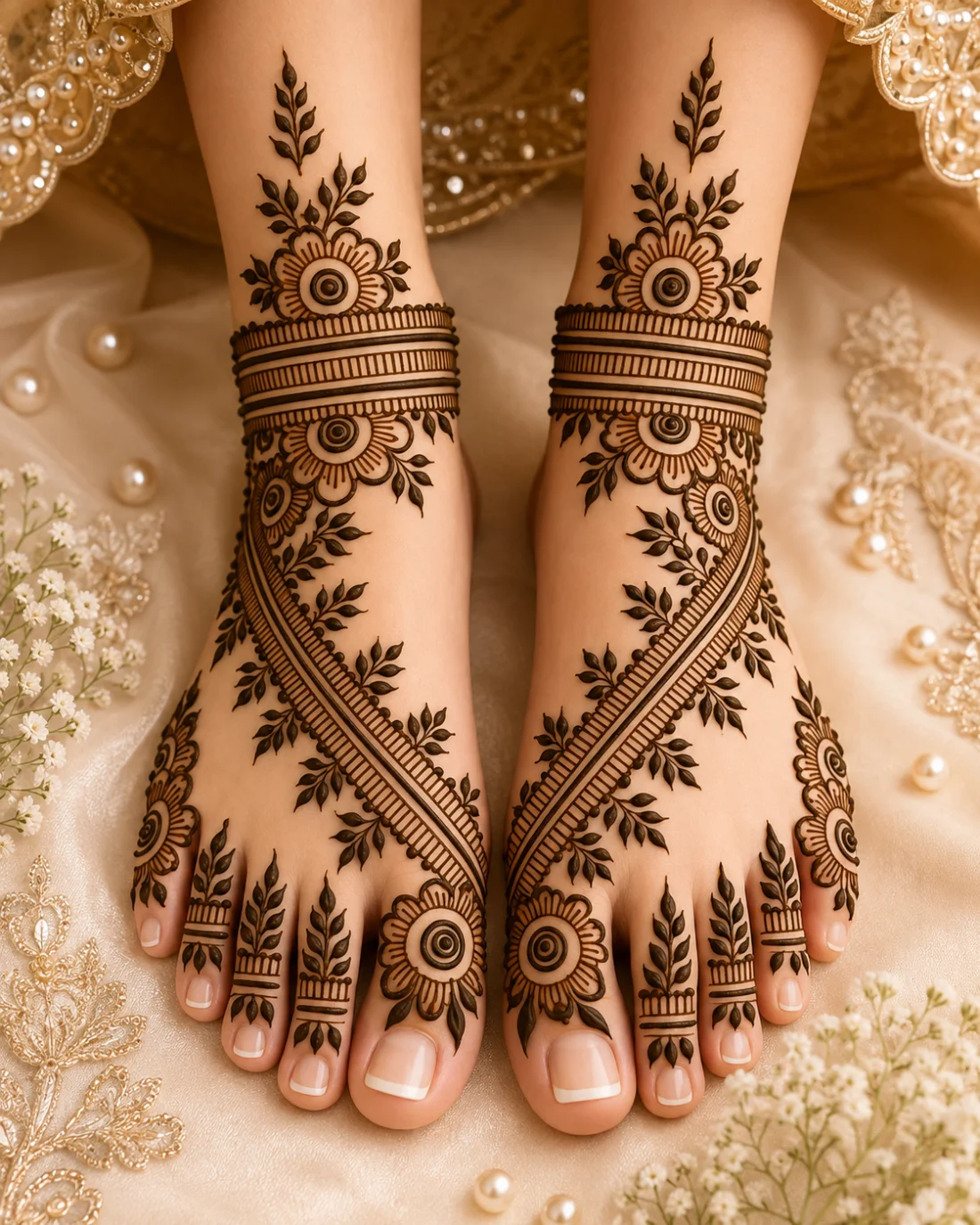
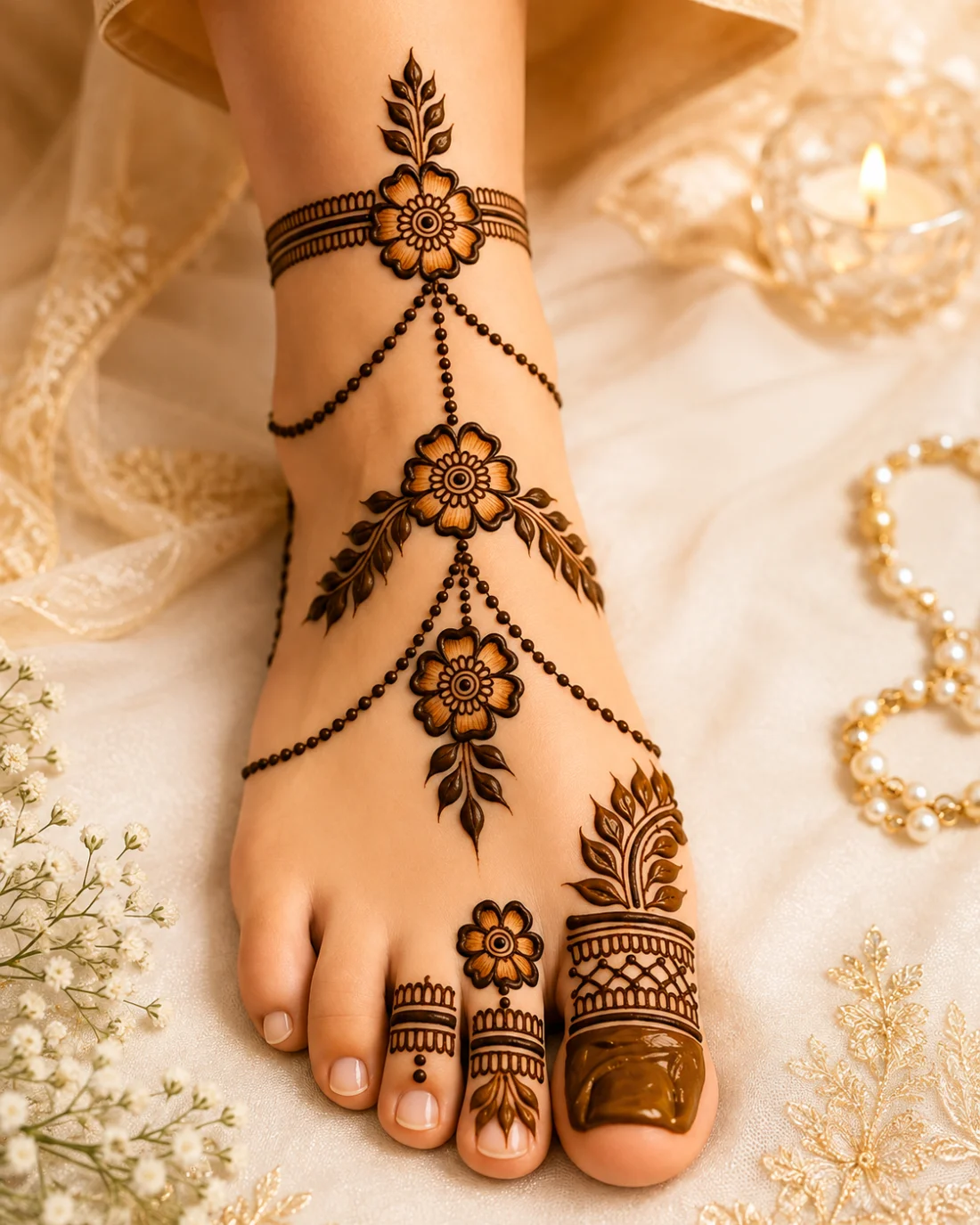
Simple Mehndi Designs for Navratri
You do not always need an elaborate design to create a festive look. Simple mehndi can be especially attractive when the outfit itself is heavily decorated.
One simple approach is to create a central floral motif on the palm and extend a thin leafy trail towards the wrist. The fingers can feature small dots, petals, or lines. This design takes less time while still giving the hands a festive appearance.
Another idea is a half-hand mandala design. Place a medium-sized mandala slightly below the centre of the palm and decorate the surrounding area with curved lines and small leaves. Keep some areas empty to create contrast.
For the back of the hand, a simple floral vine running diagonally from the wrist towards the index finger can look elegant. Small flowers can be added along the vine, while the fingers can be decorated with minimal bands.
If you are applying mehndi at the last minute before a Navratri event, finger-focused designs are particularly practical. Decorative fingertips, small floral motifs, and thin geometric lines can give your hands a finished appearance without requiring hours of application.
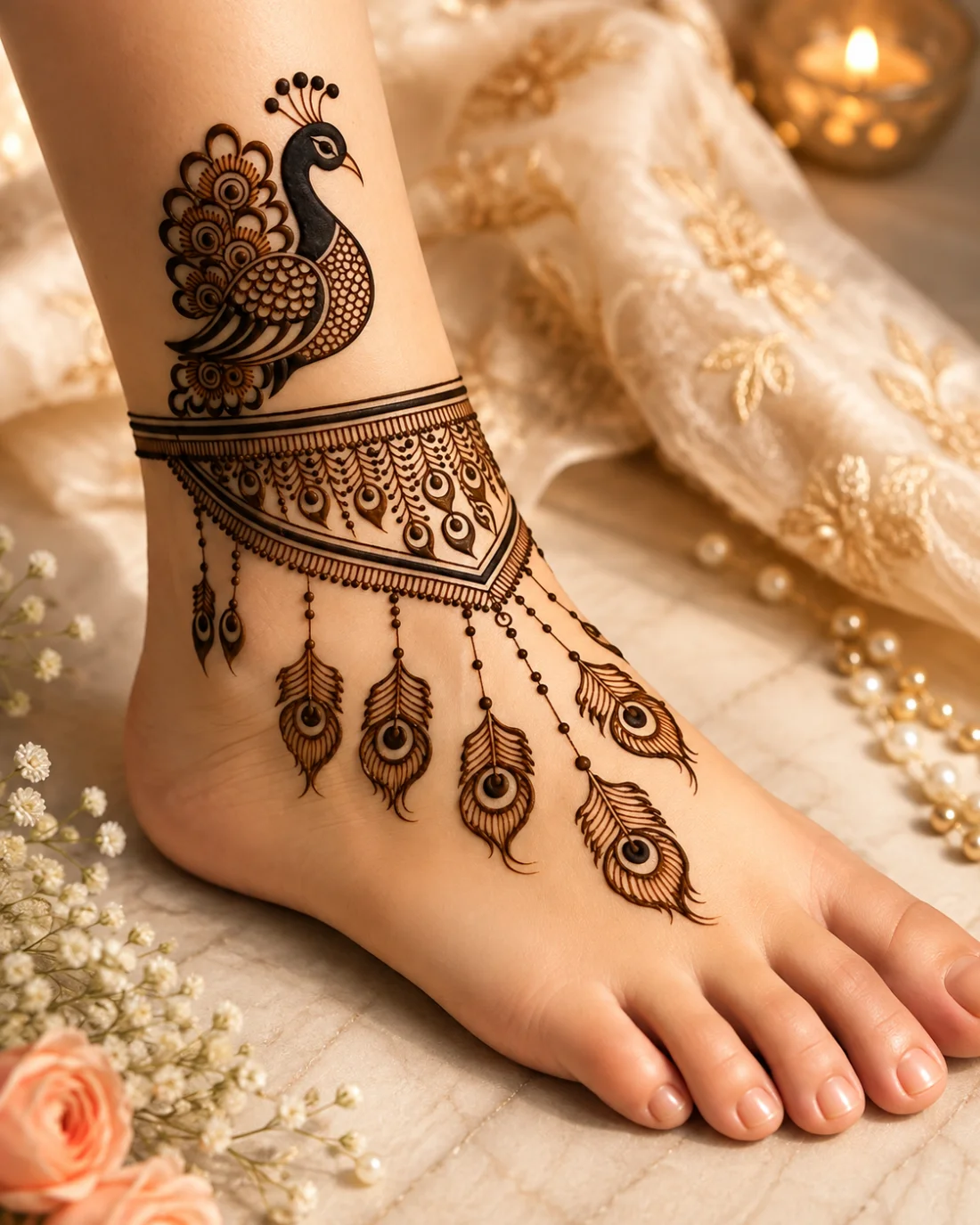
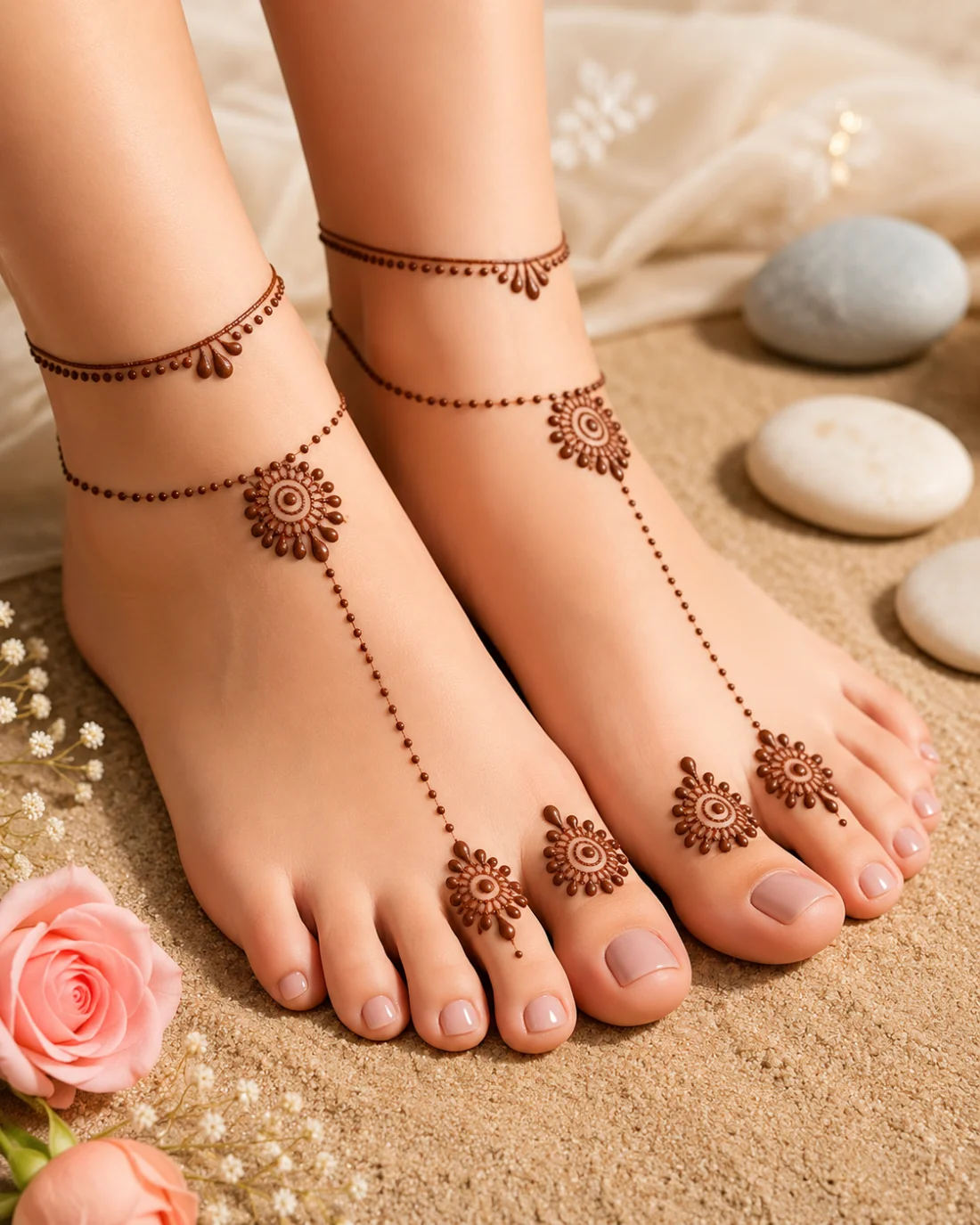
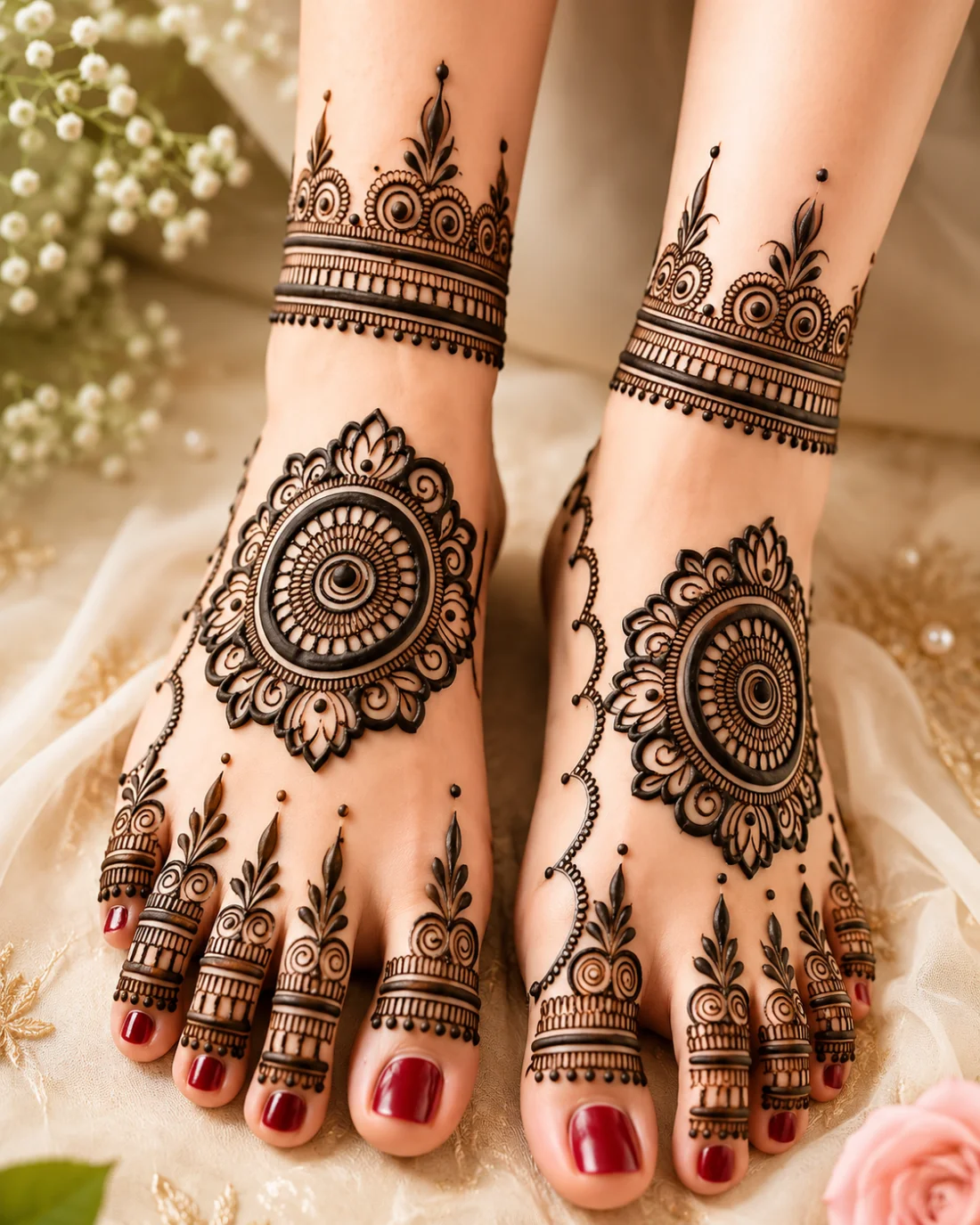
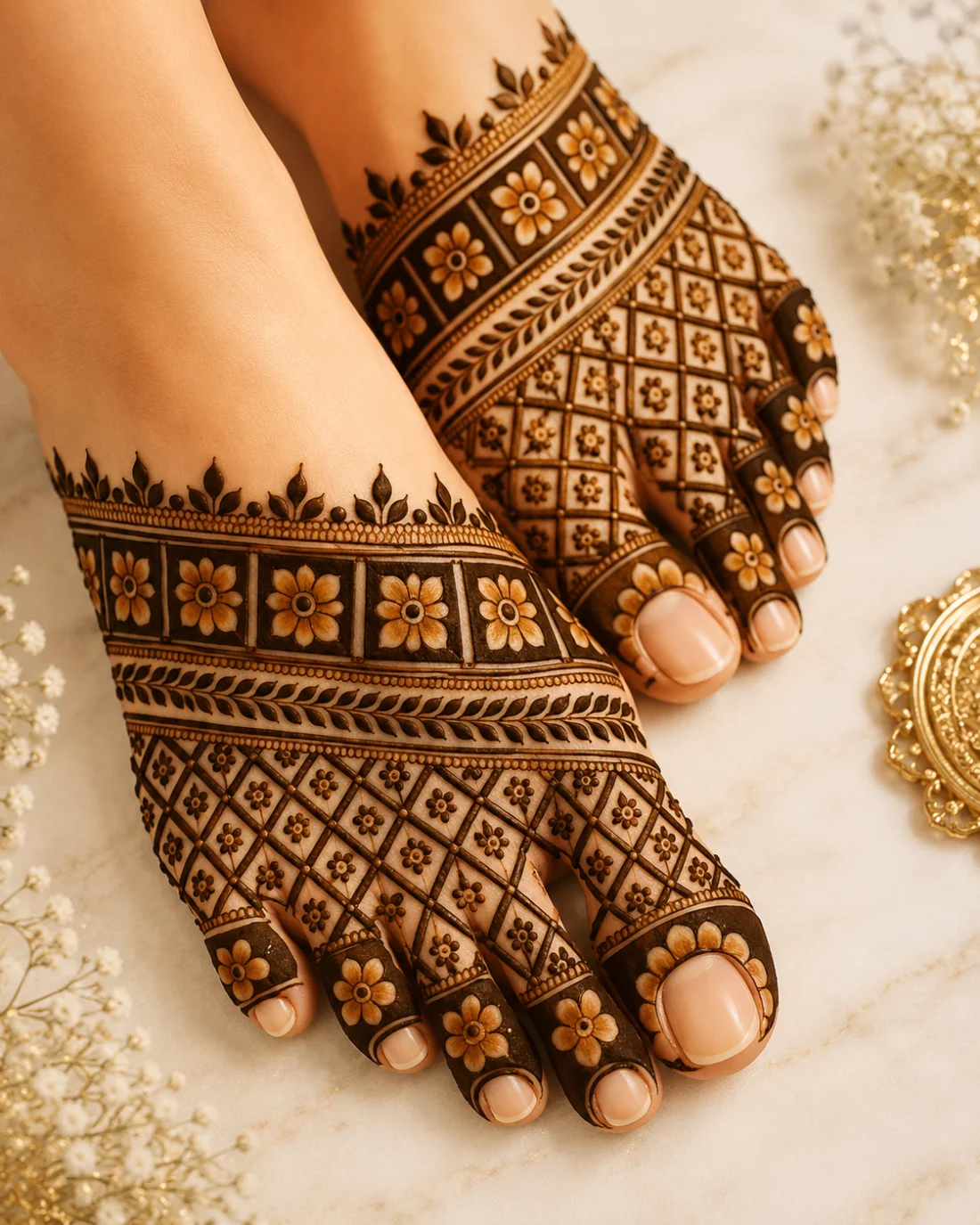
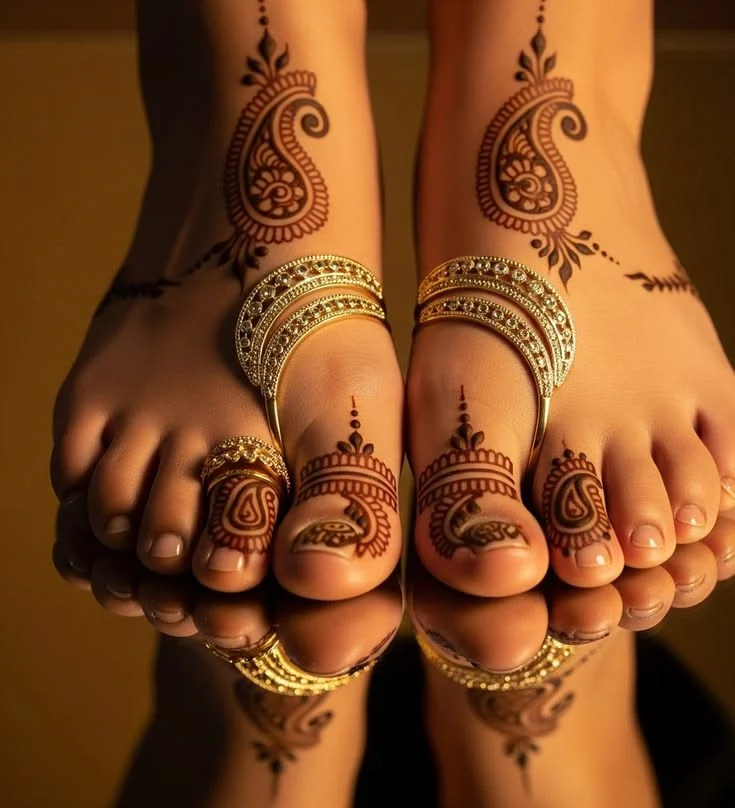
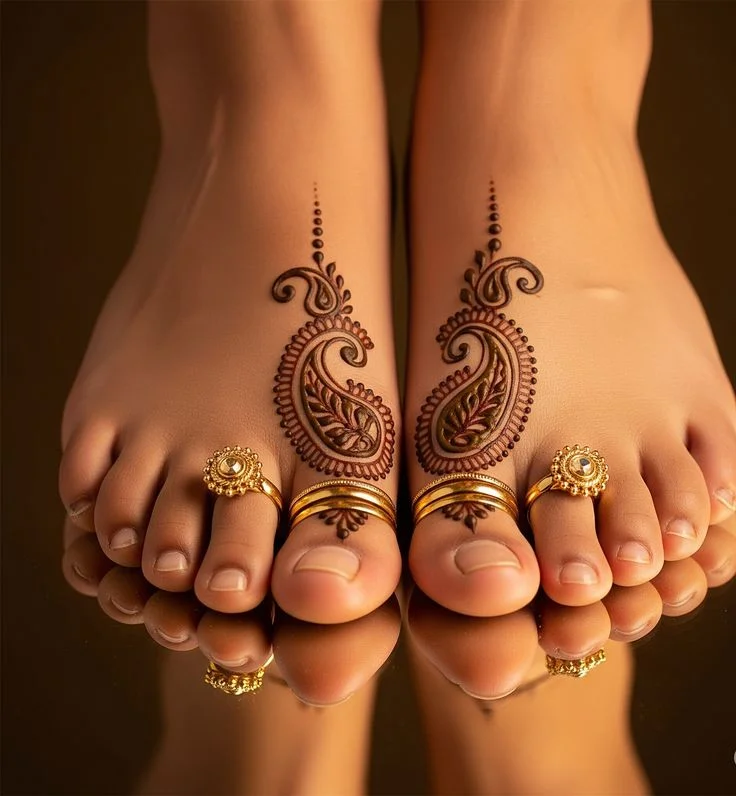
Full-Hand Mehndi Designs for Navratri Celebrations
If you are attending several nights of Navratri celebrations, a more detailed mehndi design can create a striking traditional look.
A full-hand design can combine multiple motifs rather than repeating one pattern throughout the hand. A central mandala can act as the main focal point, surrounded by flowers, paisleys, leaves, fine lattice patterns, and curved lines.
For the fingers, you can use different patterns on each finger while maintaining a common visual theme. This creates a detailed look without making the design appear repetitive.
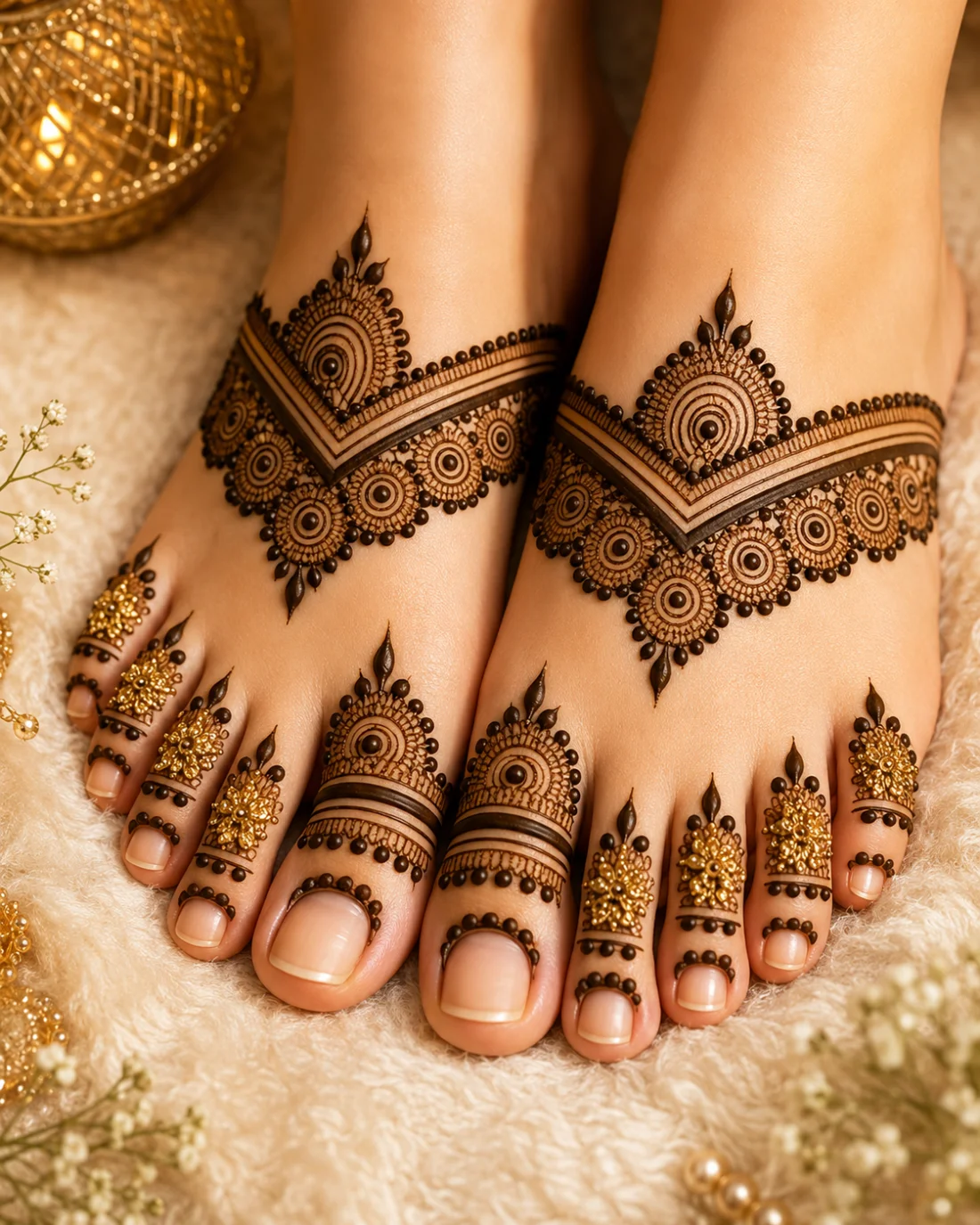
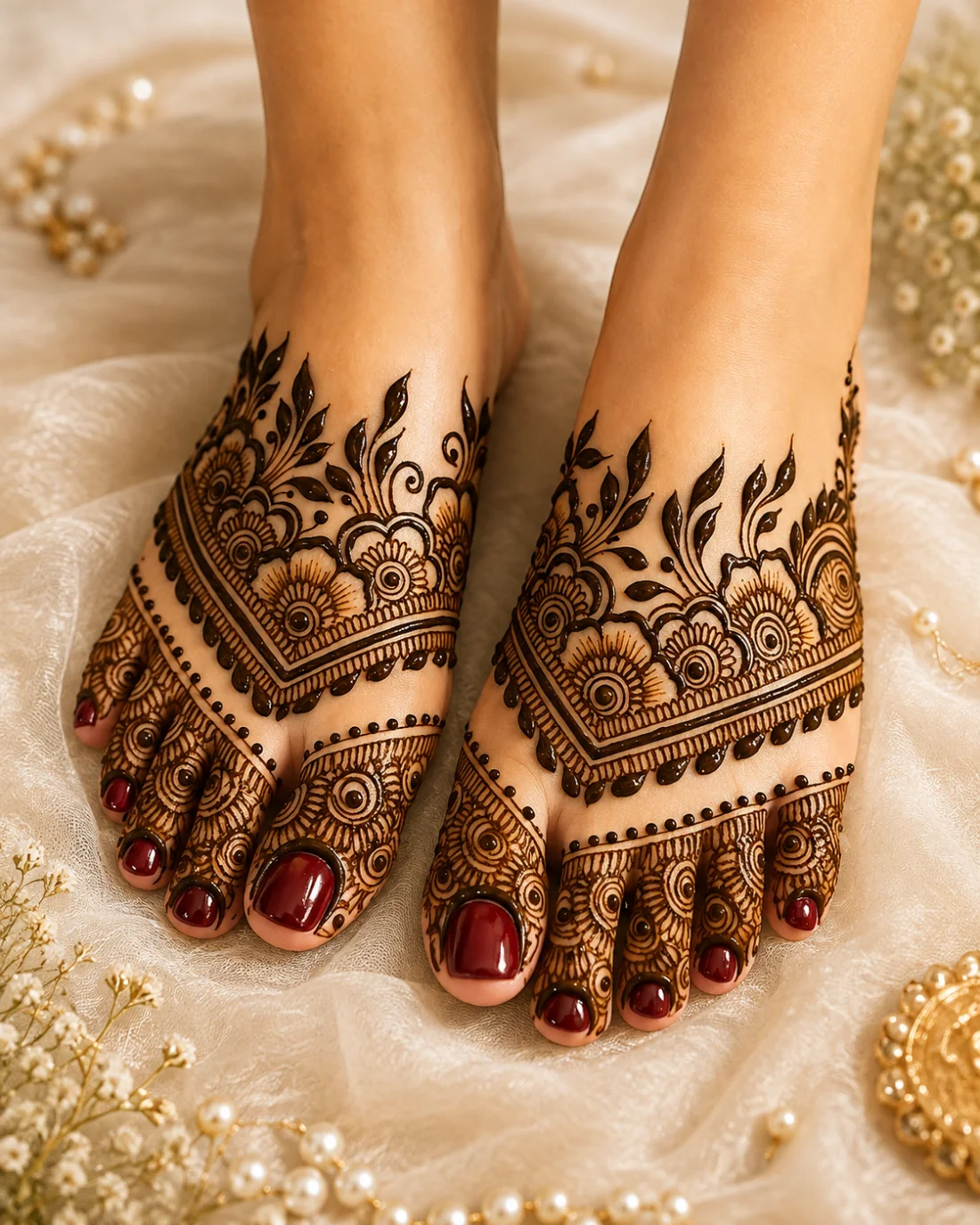
The wrist area can be extended into a bracelet-style pattern. Floral borders, geometric bands, or traditional motifs can make the transition from the hand to the forearm look more complete.
Another attractive option is to leave small areas of negative space between the motifs. This helps individual elements stand out and prevents the design from becoming visually overwhelming.
For a major Garba or Dandiya night, you can also choose a more detailed design featuring traditional Indian elements. Small decorative lamps, paisleys, flowers, peacock-inspired motifs, and symmetrical patterns can be combined to create a festive composition.
Back Hand Mehndi Ideas for Navratri
Back-hand mehndi is particularly popular among people who prefer a modern and elegant appearance. It also photographs beautifully, making it a good choice for Navratri celebrations.
A central floral motif surrounded by leaves is a simple option. You can extend the design towards the wrist and fingers using fine vines.
Another attractive style uses a large circular motif on the back of the hand with geometric detailing around it. The fingers can have matching bands or small patterns.
For a contemporary look, try a diagonal design that begins near the wrist and moves towards one side of the fingers. Floral vines, paisleys, leaves, and small dots can be arranged along the diagonal path.
If your outfit contains mirror work or geometric embroidery, geometric back-hand mehndi can create a coordinated appearance.
Navratri Mehndi for Different Outfits
Your outfit can help determine the right mehndi style.
With a traditional lehenga, detailed floral or paisley mehndi can create a rich festive appearance. If the lehenga already has heavy embroidery, consider leaving some negative space in the mehndi so the overall look does not become too busy.
A Gujarati-style chaniya choli pairs beautifully with traditional Indian mehndi. You can experiment with mandalas, paisleys, flowers, peacock motifs, and decorative borders.
If you are wearing a saree, a sophisticated floral or Arabic mehndi design can work particularly well. For a contemporary saree, minimal back-hand mehndi or a delicate vine can create a more polished appearance.
With an Indo-western outfit, modern Arabic, geometric, or minimalist mehndi designs can provide a good balance between traditional and contemporary styling.
The colour of your outfit does not necessarily have to match the mehndi. Instead, focus on choosing patterns that complement the level of detail in your clothing and accessories.
How to Make Your Navratri Mehndi Look Better
The final appearance of mehndi depends on more than the pattern itself. Preparation and aftercare can make a noticeable difference.
Start with clean hands. Avoid applying moisturiser or oily products immediately before mehndi application because they can interfere with the paste’s contact with the skin.
Give yourself enough time for the design to dry. Avoid rushing immediately after application, particularly if you have chosen a detailed design.
Once the paste has dried, follow the aftercare instructions appropriate for the mehndi product you are using. The stain generally develops gradually, so the colour may look different several hours after the paste is removed.
Timing is also important. If you want a darker stain for a particular Navratri event, applying mehndi sufficiently in advance gives the colour time to develop.
You should also consider practicality. If you plan to dance during Garba or Dandiya, a design that does not interfere with jewellery, bangles, or hand movement may be more comfortable.
Mehndi Design Trends for Navratri
Navratri mehndi styles continue to evolve as traditional patterns are combined with contemporary design ideas.
One popular direction is minimal traditional mehndi, where classic motifs are used with more open space. This gives the design a modern appearance while keeping its Indian character.
Another trend is combining mandala and floral patterns. A central geometric mandala can be surrounded by delicate flowers and leafy details, creating a balanced design.
Fine-line mehndi is also suitable for people who prefer intricate details. Thin lines can be used to create small floral elements, geometric patterns, and decorative borders.
For a more personalised approach, some people choose mehndi designs that incorporate elements connected to the celebration. A tiny dandiya-inspired motif or traditional festive symbol can be integrated into the design without dominating it.
The most important trend, however, is choosing a design that suits you. A simple design applied neatly can look much more attractive than an extremely complicated pattern that does not match your style.
Tips for Choosing the Right Mehndi Design
Before selecting a design, think about the type of Navratri celebration you are attending.
For a family gathering or puja, a simple floral, mandala, or traditional design may be appropriate. For a large Garba night, you can choose a more detailed full-hand design.
Also consider how much time you have. Intricate full-hand patterns require considerably more application time than minimal designs.
Think about your jewellery as well. If you plan to wear several bangles, rings, or statement bracelets, avoid an excessively crowded mehndi design around the same areas.
Your comfort matters too. If you regularly use your hands for work or other activities, a lighter design may be more practical.
Most importantly, choose a design that complements rather than hides your personal style.
How to Find Inspiration for Navratri Mehndi
Finding inspiration is easier when you search according to the specific style you want rather than simply searching for “Navratri mehndi.”
Try looking for ideas using phrases such as simple mehndi design for Navratri, Gujarati mehndi design, Garba mehndi design, Navratri back hand mehndi, floral mehndi design, Arabic mehndi for Navratri, or easy mehndi design for beginners.
You can also combine two or three ideas. For example, a mandala centre with an Arabic floral trail can create a design that feels both traditional and contemporary.
If you are showing a reference design to a mehndi artist, discuss any changes you want before application. You can ask for fewer details, more open space, larger flowers, different finger patterns, or a smaller overall design.
Frequently Asked Questions
What is the best mehndi design for Navratri?
There is no single best design for everyone. Floral, mandala, paisley, Arabic, traditional Indian, and minimalist mehndi designs are all excellent choices. Select one based on your outfit, event, available time, and personal style.
Which mehndi design is suitable for Garba night?
A detailed floral, paisley, mandala, or traditional Gujarati-inspired design works well for Garba night. If you want something modern, an Arabic design with open spaces can also look excellent.
Is simple mehndi good for Navratri?
Yes. Simple mehndi can look elegant, especially when paired with a heavily embroidered lehenga or colourful chaniya choli. Minimal designs are also easier to apply and maintain.
Which is better for Navratri, front-hand or back-hand mehndi?
Both can work beautifully. Front-hand designs tend to create a more traditional appearance, while back-hand patterns can look modern and elegant. You can also combine a detailed palm design with a simpler back-hand pattern.
How early should I apply mehndi before Navratri?
Ideally, apply mehndi sufficiently before your event so the stain has time to develop. The exact timing depends on the type of mehndi used and the colour you want to achieve.
Can I customise a Navratri mehndi design?
Absolutely. You can combine floral patterns, mandalas, paisleys, leaves, geometric details, and festive motifs. Adding a small Garba or Dandiya-inspired element can make the design more distinctive.
What mehndi design is best for a Navratri lehenga?
Traditional floral, paisley, mandala, and full-hand designs pair especially well with lehengas. If your lehenga has heavy embroidery or mirror work, a design with some negative space can create a more balanced overall appearance.
Are Arabic mehndi designs suitable for Navratri?
Yes. Arabic mehndi is a versatile choice for Navratri because its flowing floral patterns and open spaces create a stylish festive appearance without looking overly dense.
Can beginners apply Navratri mehndi themselves?
Yes. Beginners can start with simple floral vines, small mandalas, dots, leaves, and basic finger patterns. Practising the design on paper before applying it to the skin can make the process easier.
How can I make my Navratri mehndi look unique?
Instead of copying an entire design, combine elements from different styles. For example, you could use a traditional mandala as the centre, floral vines around it, and small dandiya-inspired details near the wrist.
Final Thoughts
Navratri is all about colour, tradition, celebration, and personal style, and mehndi can bring all of these elements together. Whether you prefer an intricate full-hand pattern or a simple floral design, there are countless ways to create a beautiful mehndi design for Navratri.
Choose a pattern that complements your outfit rather than competing with it. Consider your jewellery, the type of celebration, the amount of time available, and how detailed you want the final look to be.
From elegant mandalas and floral vines to traditional paisleys and contemporary Arabic patterns, the right mehndi can become one of the most beautiful details of your Navratri look. The best design is ultimately the one that makes you feel comfortable, festive, and confident as you celebrate.
Founder of Fashion Design Ideas.