
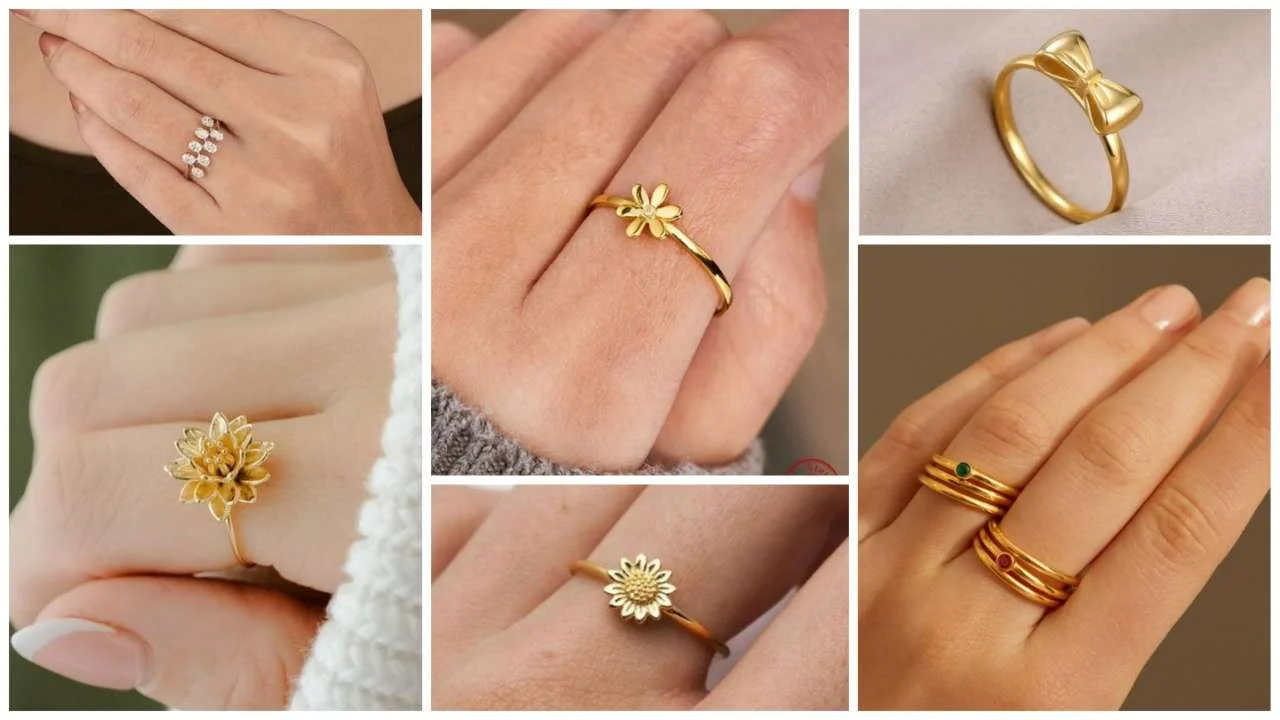
The main difference between engagement rings vs wedding bands lies in their symbolism, design, timing, and cultural meaning. An engagement ring represents the promise of marriage and is given during the proposal, while a wedding band symbolizes the official union and lifelong commitment exchanged during the wedding ceremony. Although both rings celebrate love and partnership, they serve different purposes and traditions in the journey toward marriage.
Understanding the distinction between these two rings is important for couples preparing for engagement and marriage. Engagement rings and wedding bands carry deep emotional significance and reflect cultural traditions that have evolved over time. While engagement rings often stand out because of their elaborate designs and prominent gemstones, wedding bands focus on simplicity, durability, and timeless symbolism.
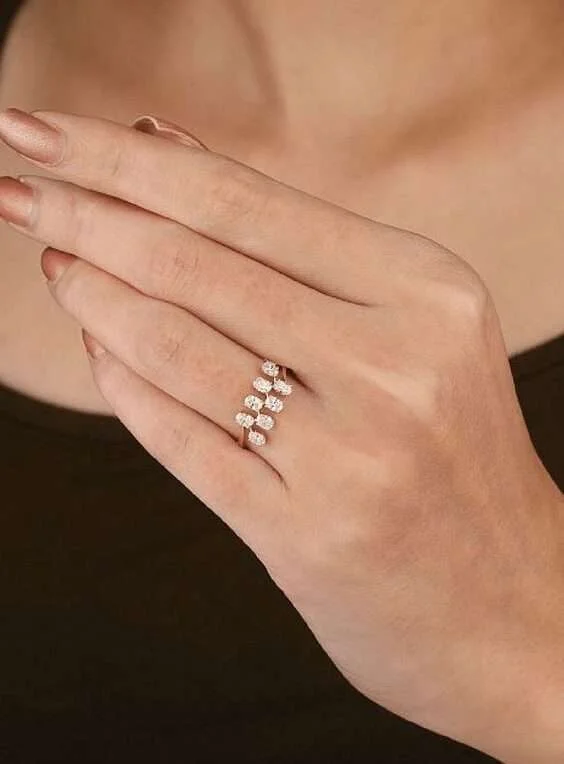
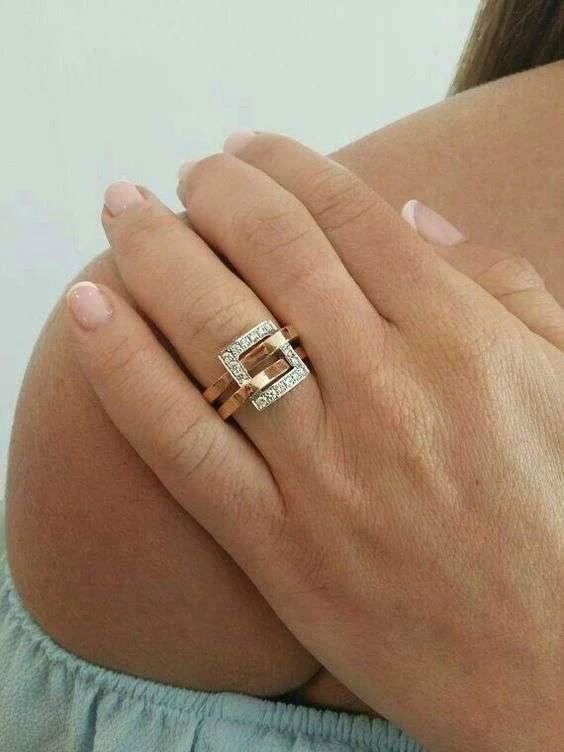
This comprehensive guide explores the key aspects of engagement rings vs wedding bands, including symbolism, design differences, timing, price considerations, cultural traditions, budgeting tips, and top jewellery brands in India. By the end, you will clearly understand how these two rings differ and how to choose the perfect ones for your relationship and budget.
Symbolism and Purpose of Engagement Rings vs Wedding Bands
The symbolism behind engagement rings vs wedding bands reflects two distinct stages of a couple’s relationship. Each ring represents a meaningful milestone in the journey from commitment to marriage.
An engagement ring symbolizes the promise of marriage. Traditionally, it is given during a proposal when one partner asks the other to marry them. This moment marks the beginning of the engagement period, during which the couple prepares for their wedding and future life together. The engagement ring therefore represents intention, commitment, and excitement about the upcoming union.
For many couples, the engagement ring becomes a visible sign that they are committed to each other and planning a future together. It is often worn daily as a reminder of the proposal and the promise that accompanies it.
In contrast, a wedding band symbolizes the official union and lifelong commitment between partners. Wedding bands are exchanged during the marriage ceremony itself, usually as part of the vows. At this moment, the couple publicly declares their commitment to each other in front of family and friends.
The wedding band therefore represents the bond of marriage and the lifelong partnership that follows the ceremony. Its circular shape, without a beginning or end, symbolizes eternity and the enduring nature of love.
Although both rings symbolize commitment, the engagement ring marks the promise of marriage, while the wedding band represents the fulfillment of that promise. Together, they tell the story of a couple’s journey from proposal to marriage.
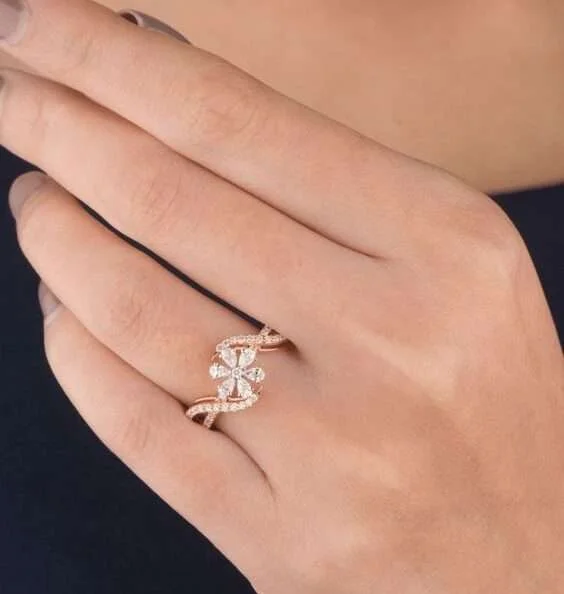
Design and Appearance Differences
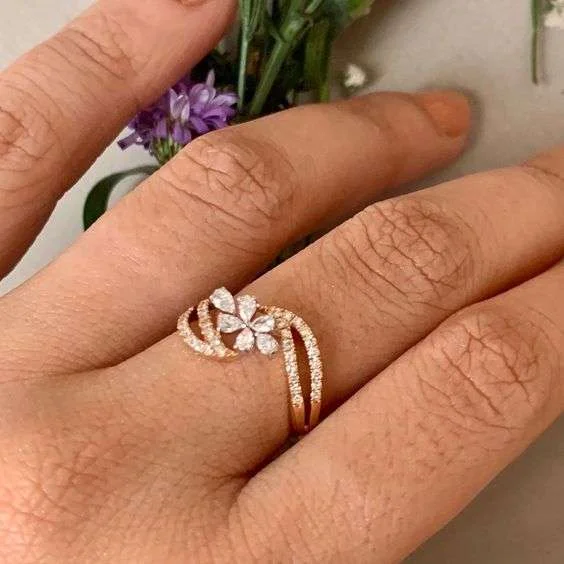
One of the most noticeable aspects of engagement rings vs wedding bands is the difference in their design and overall appearance. Engagement rings are usually more elaborate and visually striking, while wedding bands are typically simpler and more understated.
Engagement rings are designed to stand out. They often feature a prominent central gemstone that draws attention and serves as the focal point of the ring. Diamonds are the most common choice for engagement rings, although other gemstones are sometimes used as well. The central stone is usually placed in decorative settings that enhance its brilliance and visibility.
Popular engagement ring styles include solitaire settings, halo designs, and three stone arrangements. A solitaire engagement ring features a single gemstone mounted on a simple band, allowing the stone to take center stage. Halo designs surround the center stone with smaller diamonds, creating additional sparkle and visual impact. Three stone designs incorporate a larger center stone flanked by two smaller stones, symbolizing the past, present, and future of a relationship.
The goal of an engagement ring is to create a memorable and eye catching piece of jewellery that represents the significance of the proposal.
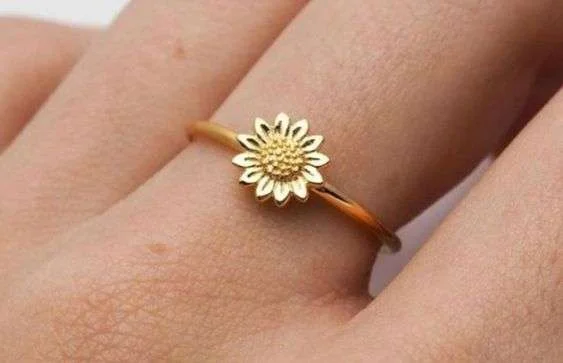
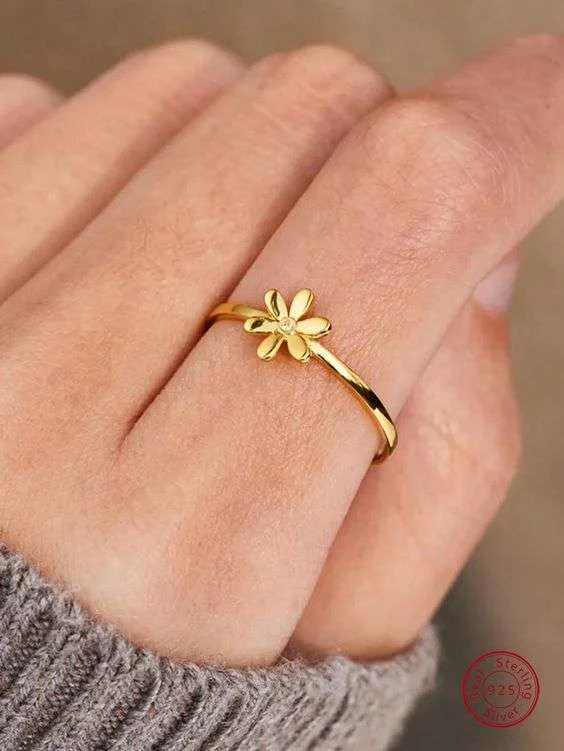
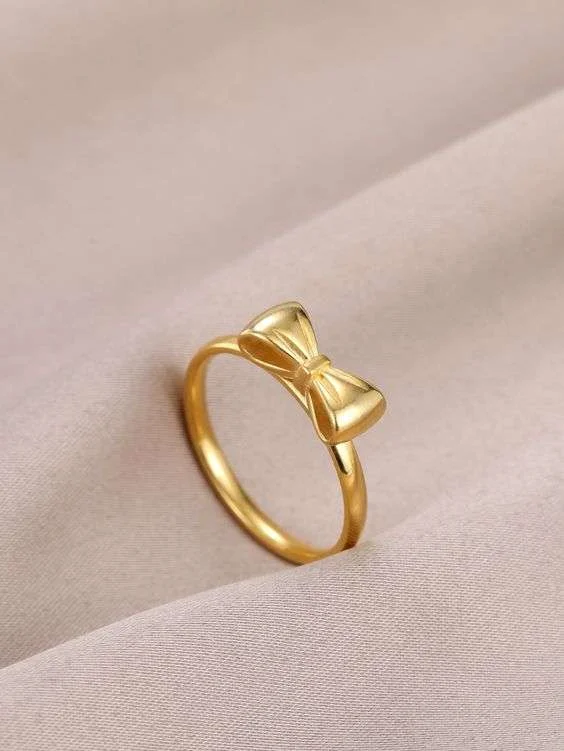
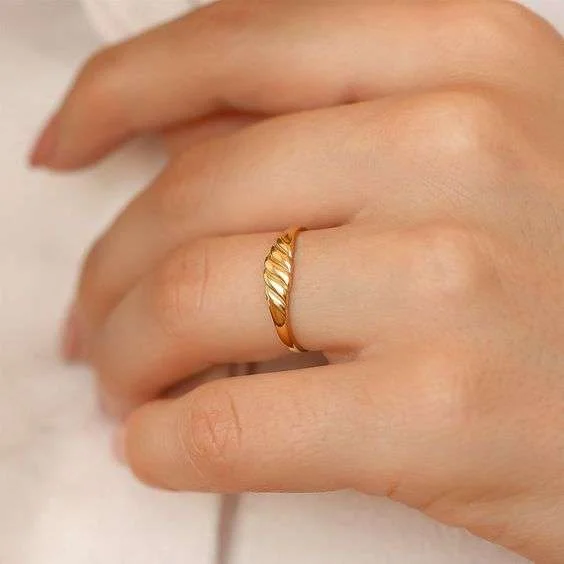
Wedding bands, on the other hand, are typically more minimalistic. They are often simple metal bands that focus on comfort and durability rather than dramatic design. Many wedding bands are made of gold, platinum, white gold, or rose gold.
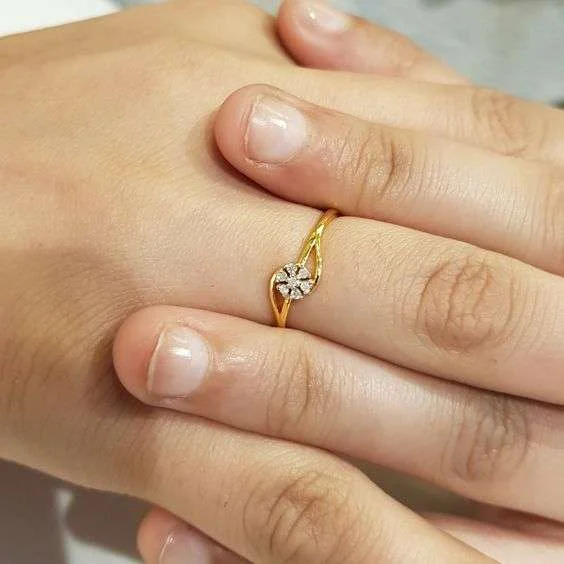
Some wedding bands include subtle diamond accents or small stones embedded in the band, but the overall design is usually understated. This simplicity ensures that the ring can be worn comfortably every day and complements the engagement ring when worn together.
The design difference between engagement rings and wedding bands reflects their different roles. Engagement rings emphasize visual impact and celebration, while wedding bands emphasize longevity and everyday wear.
Timing and When Each Ring Is Given
Another major difference between engagement rings vs wedding bands involves the timing of when each ring is given and worn.
The engagement ring is traditionally presented during the marriage proposal. When one partner proposes, they offer the engagement ring as a symbol of their intention to marry. The recipient usually begins wearing the engagement ring immediately after accepting the proposal.
From that moment onward, the engagement ring serves as a public sign that the couple is engaged. It is typically worn throughout the engagement period, which can last several months or longer depending on the couple’s wedding plans.
The wedding band, however, is exchanged during the wedding ceremony itself. As part of the marriage ritual, both partners place wedding bands on each other’s fingers while exchanging vows. This moment symbolizes the official beginning of their married life.
In many traditions, both rings are worn on the fourth finger of the left hand. Some couples temporarily move the engagement ring to the right hand during the wedding ceremony so that the wedding band can be placed on the left hand first. After the ceremony, the engagement ring is usually placed back on the left hand so that both rings are worn together.
This sequence highlights the chronological progression of a relationship. The engagement ring represents the promise of marriage, while the wedding band marks the actual moment when that promise becomes reality.
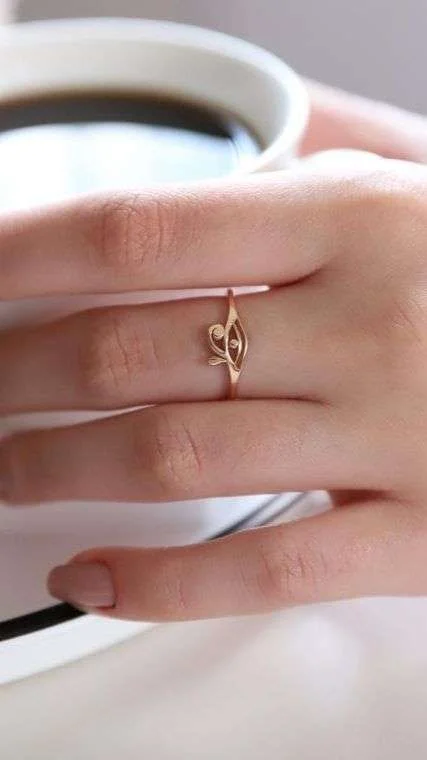
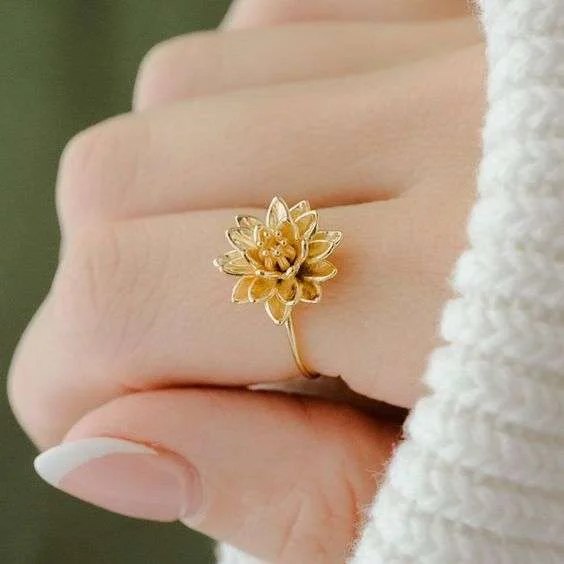
Price Differences Between Engagement Rings and Wedding Bands
Price is another important factor when comparing engagement rings vs wedding bands. Engagement rings are generally more expensive, primarily because of the gemstones and intricate designs they feature.
The cost of an engagement ring is largely determined by the size, quality, and type of the central gemstone. Diamonds are the most common choice, and their value depends on factors such as carat weight, clarity, color, and cut. These characteristics significantly influence the overall price of the ring.
In addition to the gemstone, engagement rings often include complex settings and decorative elements that increase the cost of craftsmanship. Because the engagement ring is meant to be a memorable symbol of the proposal, many couples choose designs that are more luxurious and eye catching.
Wedding bands, in contrast, tend to be more affordable. Their simpler design usually involves a metal band without a large gemstone, which reduces the overall cost. The price of a wedding band mainly depends on the type of metal used and whether the band includes small diamond accents or engravings.
While wedding bands may still be made from high quality materials such as gold or platinum, their straightforward design keeps them relatively less expensive compared to engagement rings.
Understanding this price difference helps couples plan their budgets more effectively when purchasing both rings.
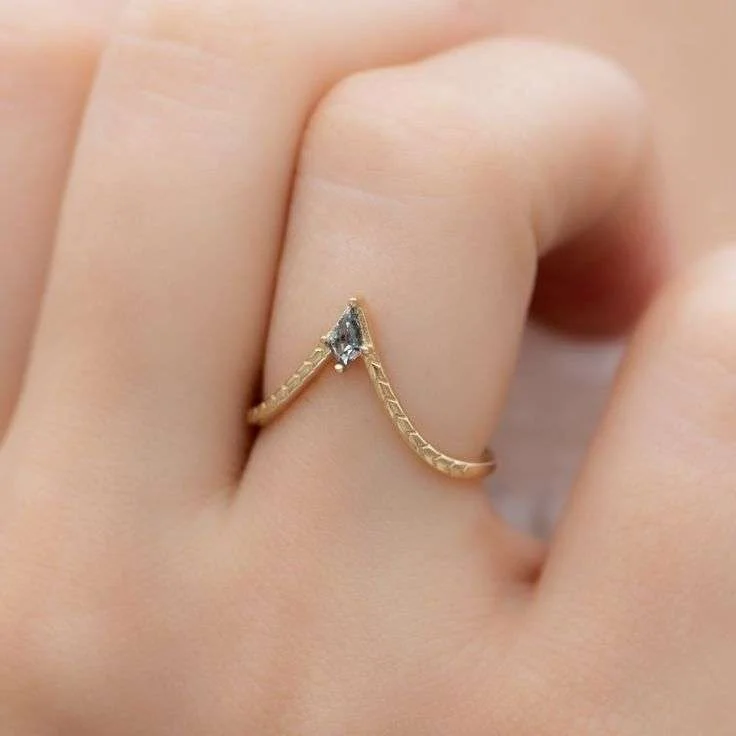
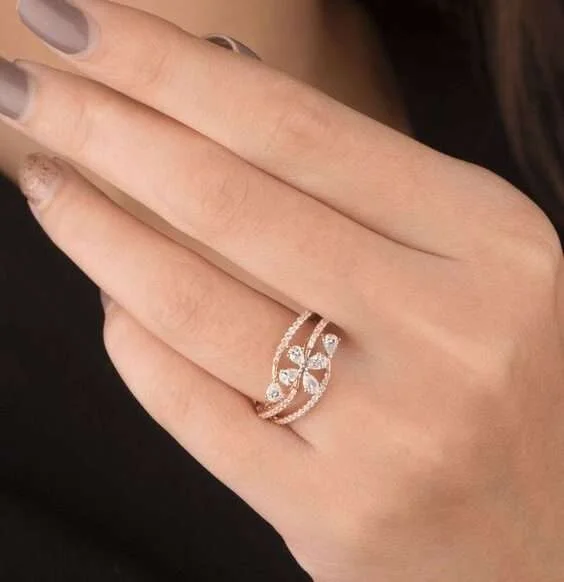

Cultural Traditions Around the World
Cultural traditions play an important role in how engagement rings vs wedding bands are used and worn across different societies.
In many Western cultures, both rings are worn on the fourth finger of the left hand. This tradition dates back to the ancient belief that a vein in this finger connects directly to the heart. Although modern science has disproved this idea, the symbolism remains strong.
Western couples often wear the engagement ring during the engagement period and then add the wedding band during the ceremony. After marriage, both rings are worn together as a pair.
In India, the traditions surrounding engagement rings and wedding bands have evolved over time. Engagement rings have become increasingly popular in modern Indian culture, especially among younger couples who embrace global wedding customs.
Indian engagement rings sometimes feature unique design elements such as Polki diamonds or meenakari craftsmanship, blending traditional artistry with contemporary styles.
Wedding bands in India may also hold symbolic importance, but they are often accompanied by other cultural symbols of marriage. For example, the mangalsutra is widely recognized as an important symbol of marriage in many Indian communities.
Another cultural difference involves which hand the rings are worn on. While many Western traditions place rings on the left hand, some cultures, including certain regions in India, prefer wearing wedding rings on the right hand.
These cultural variations demonstrate that while the meanings of engagement rings and wedding bands remain consistent, the ways they are worn and celebrated can differ across societies.
How to Choose Engagement Rings vs Wedding Bands Based on Budget
Selecting engagement rings vs wedding bands within a budget requires careful planning and thoughtful decision making. Couples should consider their financial situation, personal preferences, and long term priorities before making a purchase.
Engagement rings usually represent the largest portion of the jewellery budget because of the central gemstone and elaborate design. Many couples choose to allocate more funds toward the engagement ring since it is often the centerpiece of the proposal and receives significant attention.
However, traditional advice suggesting that buyers should spend two or three months of salary on an engagement ring is now widely considered outdated. Modern couples are encouraged to focus on what feels comfortable and financially responsible rather than following rigid spending rules.
A practical approach is to determine a maximum budget before beginning the search for rings. This helps prevent overspending and ensures that the purchase aligns with the couple’s overall financial goals.
Couples with limited budgets may choose a simpler engagement ring while investing in a more elegant wedding band. Others may prefer to spend more on a striking engagement ring and select a modest wedding band that complements it.
Material choices can also influence the final cost. Gold, platinum, and white gold have different price points, allowing couples to choose a metal that fits their budget.
Alternative stones such as lab grown diamonds or moissanite provide another cost effective option for engagement rings. These stones offer visual brilliance similar to natural diamonds while being more affordable.
By evaluating these options carefully, couples can find meaningful rings that fit comfortably within their financial plans.
Top Jewellery Brands in India for Engagement Rings vs Wedding Bands
When purchasing engagement rings vs wedding bands in India, several jewellery brands are known for their quality, craftsmanship, and design variety.
Tanishq is one of the most trusted jewellery brands in India. It offers a wide range of engagement rings featuring certified diamonds and elegant designs. The brand combines modern aesthetics with traditional craftsmanship, making it a popular choice for engagement jewellery. Tanishq also provides wedding bands that complement engagement rings beautifully, with options ranging from simple gold bands to diamond studded designs.
CaratLane is another well known brand recognized for its modern and customizable jewellery collections. The brand allows customers to design their engagement rings by selecting the metal type, diamond shape, and carat size. This flexibility makes CaratLane particularly appealing to younger couples who prefer personalized jewellery. The company also offers wedding bands designed to stack comfortably with engagement rings.
Malabar Gold and Diamonds is known for luxurious jewellery collections that combine traditional and contemporary styles. The brand offers elegant engagement rings with certified diamonds and refined craftsmanship. Its wedding band collections include classic gold designs as well as bands with subtle diamond accents.
Kalyan Jewellers is another respected jewellery brand in India that provides a wide variety of engagement rings and wedding bands. The brand blends heritage inspired designs with modern aesthetics, offering options suitable for couples who appreciate both tradition and innovation.
Choosing a reputable jewellery brand ensures that couples receive high quality materials, certified gemstones, and reliable craftsmanship for these important symbols of their relationship.
How Couples Wear Engagement Rings and Wedding Bands Together
After the wedding ceremony, many couples choose to wear both the engagement ring and the wedding band together. This combination reflects both stages of their commitment, from the proposal to the marriage ceremony.
The most common arrangement places the wedding band closest to the heart, with the engagement ring positioned above it on the same finger. This order symbolizes the idea that the wedding band represents the core bond of marriage, while the engagement ring celebrates the proposal that led to it.
Some couples choose matching designs that allow the rings to fit together seamlessly. Others prefer contrasting styles that highlight the individuality of each ring.
Stacking both rings together has become a popular trend because it creates a layered and visually appealing look while maintaining the traditional symbolism of each ring.
Conclusion
Understanding the differences between engagement rings vs wedding bands helps couples make thoughtful and informed decisions about these meaningful pieces of jewellery. Although both rings symbolize love and commitment, they represent different moments in the journey toward marriage.
The engagement ring marks the promise of marriage and is typically given during the proposal. It often features a striking gemstone and elaborate design that highlights the excitement of the engagement.
The wedding band, in contrast, symbolizes the official union of marriage and is exchanged during the wedding ceremony. Its simple and durable design reflects the enduring nature of lifelong commitment.
From symbolism and design to price and cultural traditions, each ring plays a unique role in celebrating a couple’s relationship. By understanding these differences and considering factors such as budget, style preferences, and cultural customs, couples can choose rings that truly reflect their love and shared future.
Frequently Asked Questions
What is the main difference between engagement rings vs wedding bands?
The main difference is their purpose. An engagement ring symbolizes the promise of marriage and is given during the proposal, while a wedding band represents the official union and is exchanged during the wedding ceremony.
Do you wear engagement rings and wedding bands together?
Yes, many couples wear both rings together on the same finger. The wedding band is usually placed first, closest to the heart, followed by the engagement ring.
Are engagement rings more expensive than wedding bands?
In most cases, engagement rings are more expensive because they feature larger gemstones and more intricate designs, while wedding bands are typically simpler metal bands.
Can a wedding band have diamonds?
Yes, wedding bands can include diamonds or other small gemstones. However, many couples choose simple metal bands for comfort and everyday wear.
Which ring is given first, the engagement ring or the wedding band?
The engagement ring is given first during the proposal. The wedding band is exchanged later during the wedding ceremony.

Founder of Fashion Design Ideas.